
Introduction to Pan Sauce Recipe
Why Pan Sauce is a Game Changer for Home Cooks
If you’re looking to elevate your home-cooked meals, mastering a pan sauce recipe should be at the top of your list. Why? A pan sauce transforms everyday proteins and veggies into restaurant-quality dishes in just a few minutes. Imagine drizzling a rich, flavorful sauce over your perfectly cooked steak or roasted chicken—it's a simple finish that packs a punch.
Creating a pan sauce is also incredibly forgiving and adaptable. Whether you're using beef, chicken, or even mushrooms, the basic technique remains the same: you’ll deglaze the pan and scrape up all those wonderful bits that create depth and flavor, known as fond. It’s like extracting the essence of your meal!
Once you get the hang of it, you can customize your sauce by using different broths, adding fresh herbs, or introducing unique flavors to match your main dish. Need some inspiration? Check out this guide on how to create a basic pan sauce for more tips and tricks.
In just 15 minutes, you can impress your friends and family with your culinary skills and make any meal feel special. So let’s dive into this pan sauce recipe and see how easy it can be to add that extra flair to your cooking!
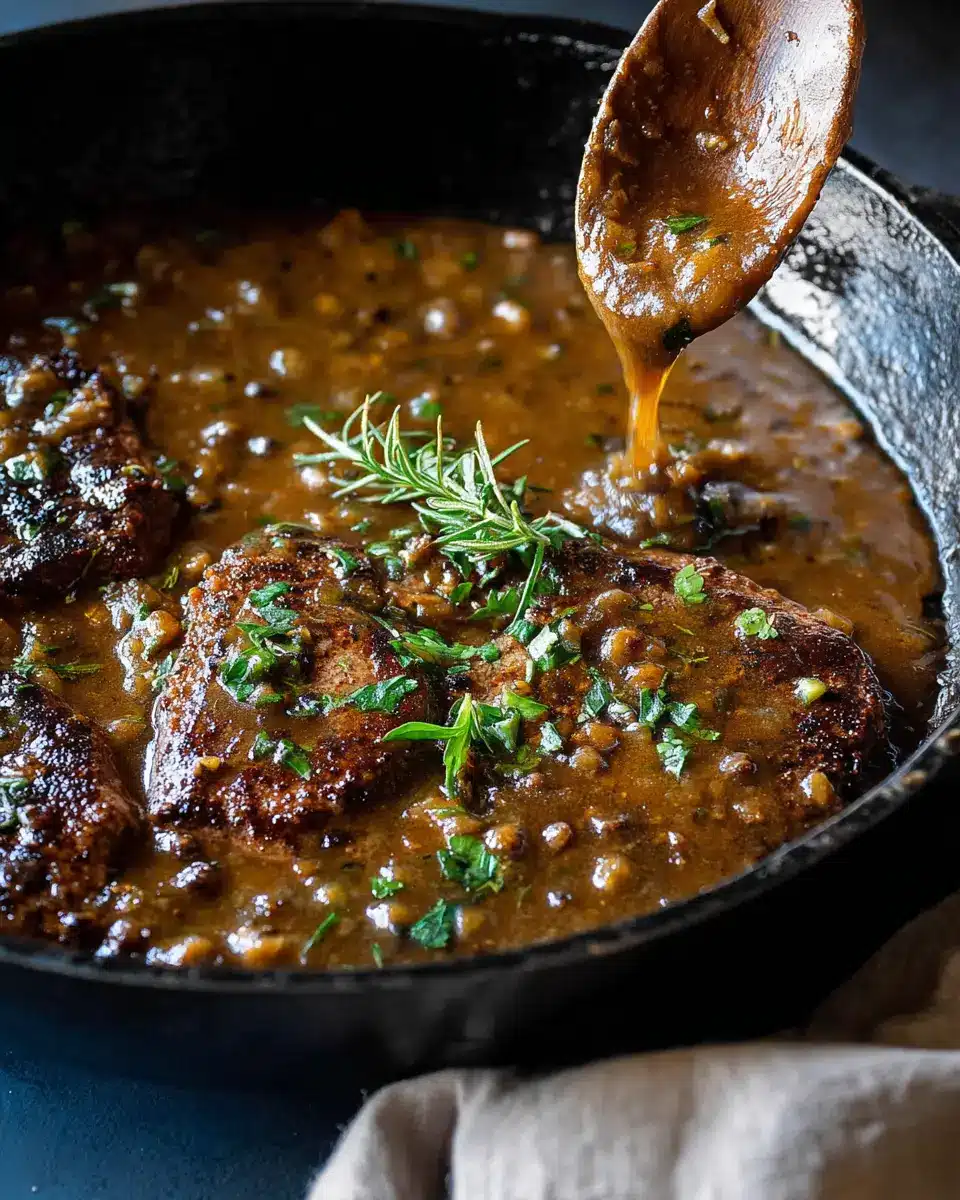
Ingredients for Pan Sauce Recipe
Essential ingredients for a classic pan sauce
Creating a rich and flavorful pan sauce is simple and requires just a few essential ingredients. Here’s what you need:
- Olive oil: This is key for sautéing your aromatics while adding depth to the sauce.
- Shallot: A finely diced shallot (3-4 tablespoons) provides a beautifully sweet and savory base.
- Liquid: You can use homemade or store-bought broth, or even water to deglaze the pan and enhance flavor.
- Butter: Adding a tablespoon of butter richens the sauce, giving it that silky texture we all love.
- Salt and pepper: Don't forget to season your sauce to taste; it’s the finishing touch that brings everything together.
Optional herbs to enhance flavor
After mastering the basics, consider adding some optional herbs for an extra flavor boost:
- Thyme: Adds a lovely earthy undertone.
- Italian parsley: Brightens the sauce with freshness.
- Sage: A touch of sage gives it a warm, aromatic quality.
- Rosemary: Strong and fragrant, rosemary can elevate the sauce’s complexity.
Feel free to experiment with combinations of herbs based on your meal!
Step-by-step Preparation of Pan Sauce
Creating a pan sauce recipe is simpler than you might think! With just a few steps, you can transform those flavorful drippings left in your skillet into a delicious sauce perfect for drizzling over meats, vegetables, or starches. Let’s break it down step by step.
Heat your skillet
Begin by heating a skillet on medium-high heat. It's best to use the same skillet where you just cooked your meat or veggies, as this will help capture all the delicious browned bits, or fond, stuck to the bottom. If there’s excess fat, feel free to remove some—but don’t wipe it clean! You want that fond to work its magic in your sauce.
Add aromatics and sauté
Next, it’s time to add some flavor. Toss in 1 finely diced shallot, and, if needed, a splash of olive oil to keep things from sticking to the pan. Sauté the shallots, stirring frequently, until they become golden and fragrant. This step is crucial because it builds a rich base for your sauce. If you’re feeling adventurous, consider adding some optional herbs such as fresh thyme or parsley at this stage to enhance the aroma.
Deglaze the skillet
Now for the exciting part—deglazing! Pour in ½ cup of your choice of liquid, like broth or even water. Using a wooden spoon, scrape up any fond clinging to the skillet’s surface. This action releases all those concentrated flavors into your sauce. Bring it to a simmer and allow it to reduce by about half. This process should only take a few minutes, but it packs a powerful punch in terms of flavor!
Whisk in the fat
Once your sauce has reduced, reduce the heat to low and whisk in a tablespoon of butter until it’s fully incorporated. This not only adds richness to your sauce but also gives it a beautiful sheen. If you’re following a vegan pan sauce recipe, you can substitute with vegan butter or even olive oil for a slightly lighter touch.
Season to taste
Finally, it’s time to adjust the seasoning! A pinch of salt and some freshly cracked pepper will enhance the flavors. If you used water for deglazing, consider adding a few drops of soy sauce for a depth of umami flavor. To brighten things up, you can also add a dash of vinegar or a squeeze of lemon juice for a tangy kick.
With just these simple steps, your homemade pan sauce is ready to elevate any dish on your table. It’s a fantastic way to enhance your culinary creations, making your meals feel gourmet without an overload of work. Enjoy your flavorful reward!
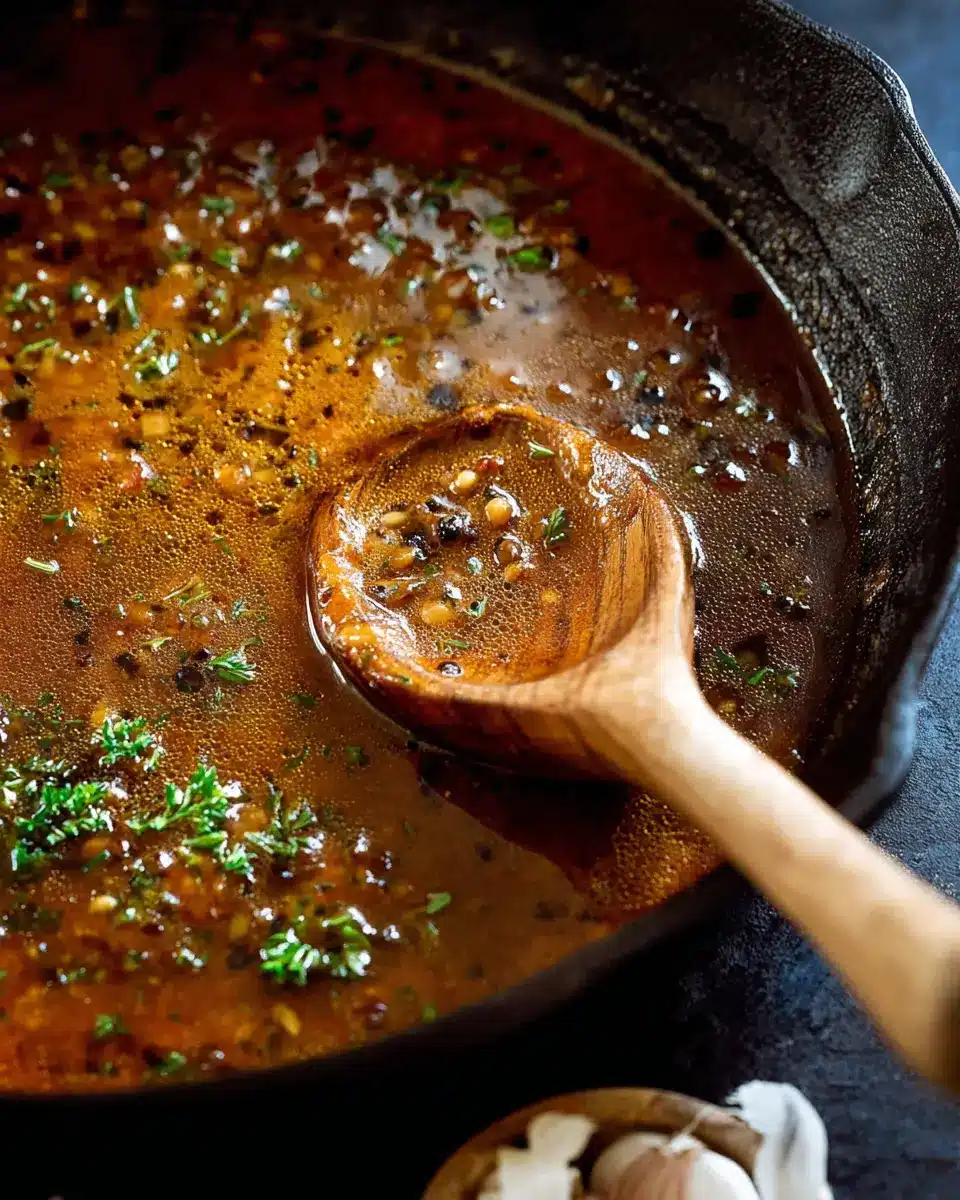
Variations on Pan Sauce Recipe
Vegan Pan Sauce Adaptations
Crafting a vegan pan sauce doesn’t mean compromising on flavor! Simply swap out traditional butter for vegan butter and use veggie broth or water as your base. You might even try thickening it with a roux for a heartier texture. This method catches all the delicious pan drippings while keeping it plant-based.
Flavor Twists You Can Try
Amp up your pan sauce recipe with unique flavor profiles. Add a splash of balsamic vinegar for a sweet tang, or toss in roasted garlic for an earthy depth. Fresh herbs like basil or cilantro can also brighten the sauce, giving it a refreshing kick. Feeling adventurous? Incorporate a dollop of mustard or a hint of smoked paprika to elevate your dish to the next level!
Experimentation is key; have fun creating your signature sauce!
Cooking Tips and Notes for Pan Sauce
Best Skillet Types for Making Pan Sauce
For a perfect pan sauce, the right skillet matters! Opt for a cast iron skillet or a heavy-bottomed stainless steel skillet. Both options retain heat well, ensuring those delicious browned bits, known as fond, create a flavorful base for your sauce. Cast iron can even add subtle nuances that enhance the depth of flavor.
Troubleshooting Common Issues
If your sauce isn't coming together quite right, don't fret! Here are solutions for common pitfalls:
- Broken Sauce: If your sauce separates, simply whisk in a little water over low heat until it comes back together.
- Over-Reduction: If your sauce thickens too much, add a splash of broth or water to reach your desired consistency.
Happy saucing! For more tips, check out sources like Serious Eats for culinary techniques.
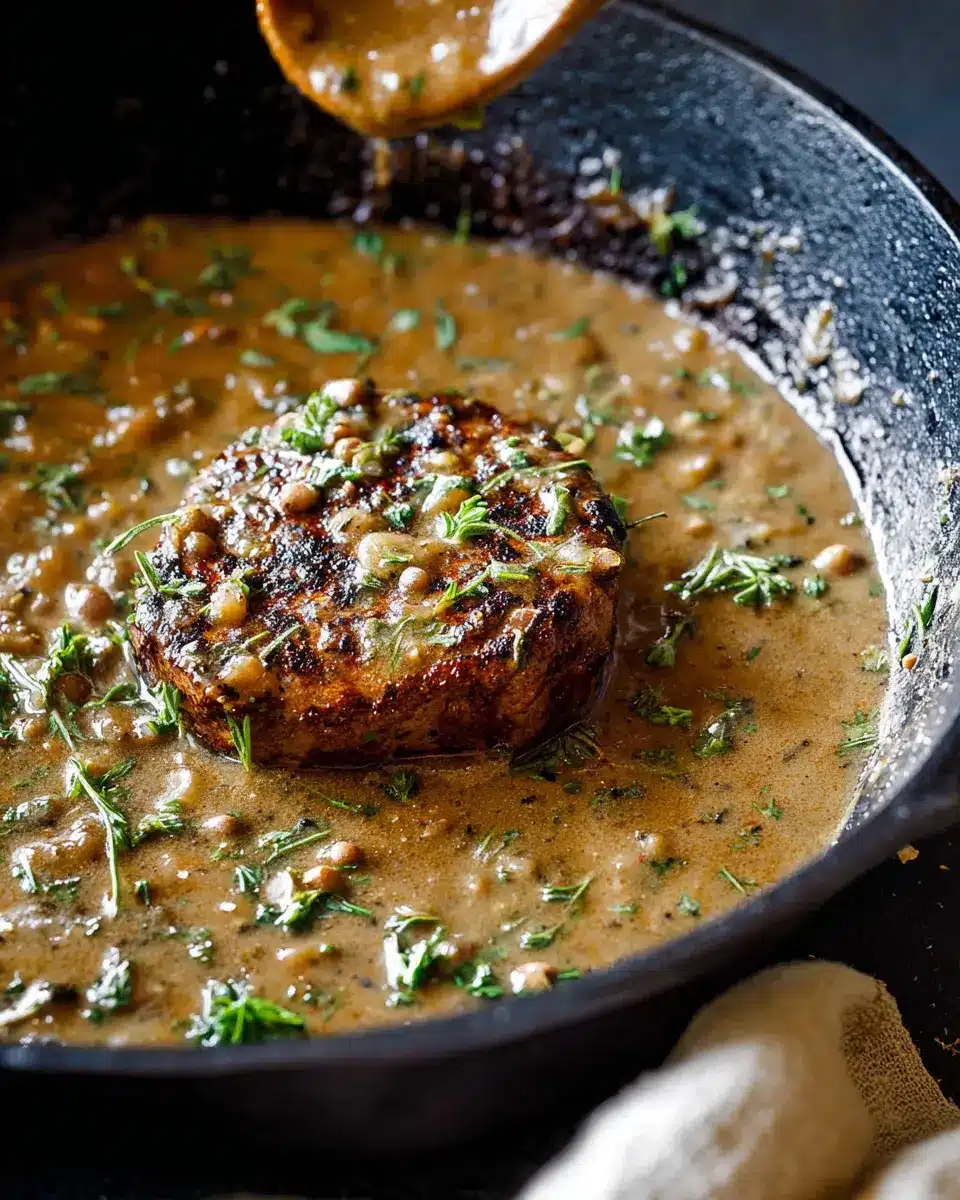
Serving Suggestions for Pan Sauce
Pairing Pan Sauce with Proteins
One of the best aspects of a pan sauce recipe is its versatility. Whether you’re cooking chicken, beef, or even plant-based proteins like tofu or tempeh, a pan sauce elevates the dish. Drizzle it over grilled chicken breast for a succulent finish, or pair it with a perfectly seared beef steak to enhance the flavors. Not to mention, pan sauce works wonderfully with sautéed mushrooms, adding a rich depth to your vegetarian meals.
Creative Ways to Serve
Don’t limit your creativity! Use your pan sauce to soak into hearty grains like quinoa or farro, making them a delightful side dish. You can also try drizzling it over roasted vegetables for a burst of flavor. To impress guests, serve it as a dipping sauce with crispy bread or even drizzle over a simple salad. This simple addition instantly transforms any meal into a gourmet experience!
Time Breakdown for Pan Sauce Recipe
Preparation Time
Get started on your pan sauce recipe in just 5 minutes. This includes gathering your ingredients and getting your skillet ready.
Cooking Time
Once you're prepped, the actual cooking will take about 10 minutes. That’s all it takes to develop rich flavors that elevate any dish!
Total Time
In a mere 15 minutes, you’ll have a delicious pan sauce ready to serve. Perfect for those busy weeknight dinners!
Nutritional Facts for Pan Sauce Recipe
Calories per serving
A delightful serving of this pan sauce recipe contains approximately 57 calories. This makes it a flavorful addition to your meals without adding too much to your daily calorie intake.
Key nutritional components
This sauce isn't just tasty; it's also packed with essential nutrients. Each serving provides:
- Fat: 6.4 g (Saturated Fat: 2.3 g)
- Carbohydrates: 0.4 g
- Protein: 0.1 g
- Cholesterol: 7.6 mg
- Sodium: 1 mg
It's a simple yet elegant way to enhance your dishes while keeping health in mind! For more healthy cooking tips and delicious alternatives, check out sources like Healthline.
FAQs about Pan Sauce Recipe
What is the purpose of deglazing in pan sauce?
Deglazing is a crucial step in creating a rich pan sauce recipe. By adding liquid (like broth or water) to the skillet where you cooked your protein, you loosen those delicious browned bits, called fond. These remnants carry deep flavor and create a savory base for your sauce. When simmered, it transforms into a complex, mouthwatering sauce that elevates any dish!
Can I make a pan sauce without shallots?
Absolutely! While shallots add a lovely sweetness and complexity, you can omit them if you prefer. Feel free to substitute with onions, garlic, or even leeks, depending on your taste. The beauty of a pan sauce recipe lies in its adaptability, so make it your own!
How can I thicken my pan sauce?
To thicken your pan sauce, you have several options. You can whisk in a bit of butter, which adds richness, or create a roux with flour and olive oil for a heartier texture. If you prefer a quicker method, simply reduce the sauce over low heat until it reaches your desired consistency. Just make sure to taste and adjust seasoning as needed!
Conclusion on Pan Sauce Recipe
Crafting a pan sauce is a simple yet rewarding endeavor that elevates any dish, be it steak, chicken, or vegetables. With just a few ingredients and some attention, you can create a sauce that enriches flavors and impresses your guests. Try this versatile method, adapt it to your liking, and enjoy a homemade touch to your meals! For a deeper dive into sauces, check out Serious Eats for more culinary inspiration.
Pan Sauce Recipe
Equipment
- Skillet
Ingredients
- 1 tablespoon olive oil preferably extra virgin
- 1 medium shallot finely diced
- ½ cup liquid broth, white wine or water
- 1 tablespoon butter
- salt to taste
- pepper to taste
- optional herbs thyme, Italian parsley, sage, rosemary
Instructions
- Heat a skillet (preferably the same skillet you used to sear the meat or veggies) and remove excess fat while keeping the browned bits.
- Add shallots and just enough olive oil to sauté them. Sauté over medium heat, stirring often, until golden. Toss in herbs if using.
- Add the liquid and bring to a simmer, scraping up any browned bits. Reduce by half.
- Whisk in the butter, lowering heat to low. Once incorporated, turn off the heat.
- Adjust salt and pepper to taste. If using water, add a few drops of soy sauce for depth. For acidity, add vinegar or lemon juice.


Leave a Reply