
Introduction to Baked Japanese Cheesecake Recipe
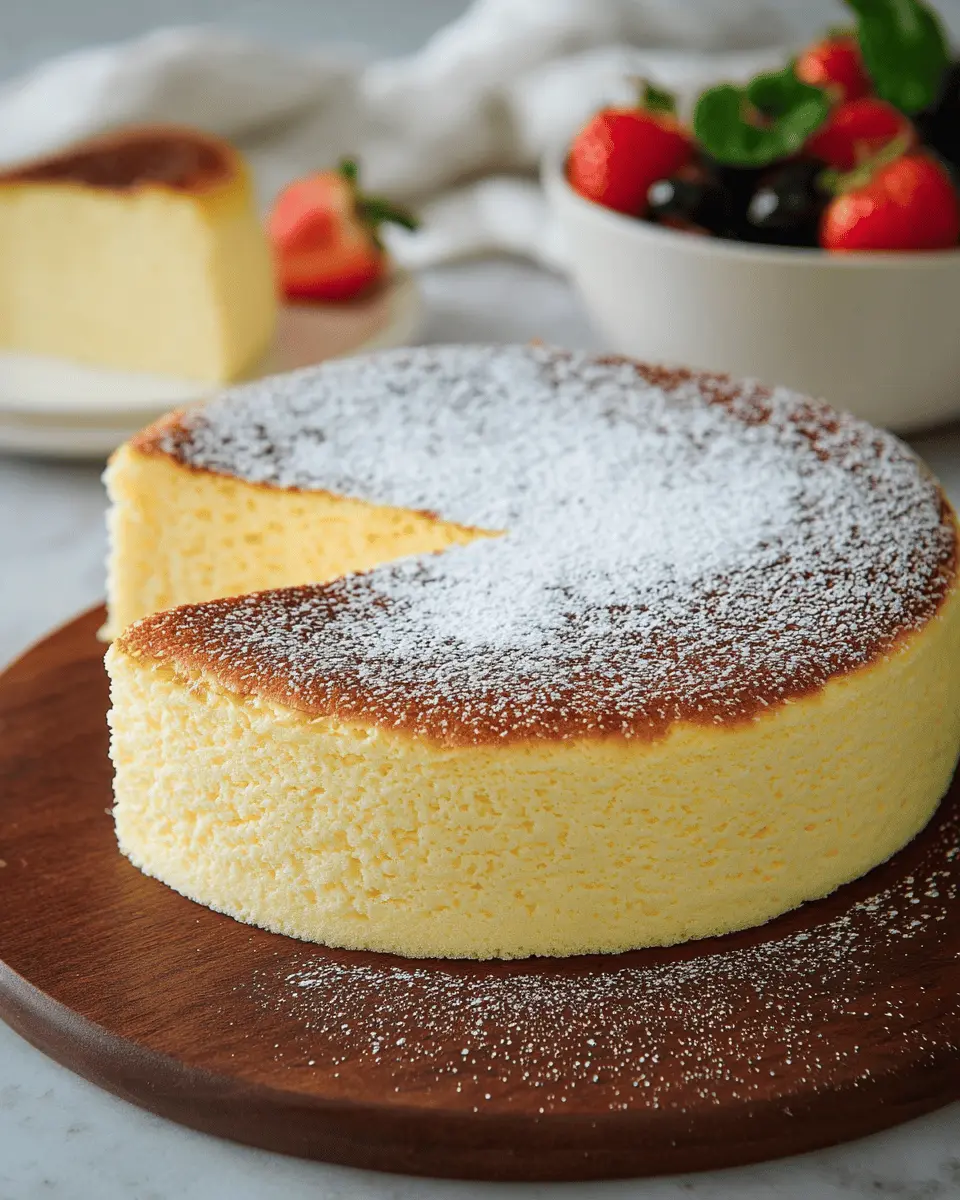
Baked Japanese cheesecake is a delightful fusion of creamy richness and airy lightness, making it a standout dessert that’s quickly won hearts around the globe. What sets this Baked Japanese Cheesecake Recipe apart is its unique texture—think of it as a heavenly combination of traditional cheesecake and fluffy soufflé. If you’ve ever experienced the soft jiggle of this cake, you know what we mean!
Why is Baked Japanese Cheesecake a Game Changer?
Imagine serving a dessert that not only looks stunning but also offers a melt-in-your-mouth experience. This cheesecake is less dense than its American counterpart, with a lighter, almost cloud-like quality that makes it feel indulgent without being overbearing.
The magic lies in the technique: incorporating whipped egg whites into the batter creates a soufflé-like airiness. Plus, the delicate balance of flavors allows for customization—whether you want to add matcha, chocolate, or even a hint of citrus, the options are endless!
For those seeking a showstopper at their next gathering, this Baked Japanese Cheesecake Recipe promises to impress. And don’t worry if you're not an expert baker; with our foolproof instructions, you’ll be well on your way to achieving this delectable treat. Get ready to wow your friends and family with a slice of Japan's treasured dessert!
Ingredients for Baked Japanese Cheesecake
Essential ingredients
To create a delicious Baked Japanese Cheesecake, you'll need a few key ingredients that work harmoniously to yield that delightful texture and airy sweetness. Here’s what you need:
- Egg White Meringue: 5 egg whites, ¼ teaspoon cream of tartar, and ¼ cup fine (granulated) sugar for that perfect meringue base.
- Cake Batter: Combine 5 egg yolks, 8 oz cream cheese, ¼ cup butter, ½ cup milk, ¼ cup fine (granulated) sugar, 2 tablespoon cornstarch, and ¼ cup flour. For a gluten-free option, substitute regular flour with sweet rice flour or Mochiko.
These ingredients create the light, fluffy consistency that Baked Japanese Cheesecake is known for.
Optional ingredients for added flavor
To elevate your cheesecake, consider these optional ingredients:
- Flavor Enhancers: A splash of vanilla extract, lemon juice, or even matcha powder can add a unique twist.
- Toppings: Fresh strawberries, fruit of your choice, honey, or a sprinkle of confectioner's sugar can make your dessert even more visually appealing and delicious.
Experiment with these optional ingredients to make your cheesecake truly your own! For further flavor inspiration, check out this informative article on flavor pairings.
Step-by-step Preparation of Baked Japanese Cheesecake
Making a delicious Baked Japanese Cheesecake is an experience that combines creamy textures with light flavors. Follow these easy steps to create a dessert that will impress your friends and family.
Separate the eggs
Start by separating your eggs. Carefully crack the eggs and place the egg yolks in one mixing bowl and the egg whites in another. This is crucial for the airy texture you're aiming for in your baked cheesecake. Use fresh eggs for the best results, as they stabilize the structure of the cake.
Prepare the cake batter
In a saucepan, combine 8 oz of cream cheese, ¼ cup of butter, and ¼ cup of fine sugar over low heat. Stir until melted and smooth, creating a luscious batter. Once melted and combined, remove the pot from heat and gently mix in the egg yolks, followed by the cornstarch and flour. Ensure that the mixture is silky and clump-free—this silky batter is the foundation of your Baked Japanese Cheesecake.
Beat the egg whites to stiff peaks
Next, it's time for the egg whites. Using a stand mixer (or a handheld mixer), beat the egg whites on medium speed. Once they start to froth, add in ¼ teaspoon of cream of tartar. Gradually mix in ¼ cup of fine sugar until the mixture holds stiff peaks. This process will add fluffiness to your cake—if you've never made meringue before, you'll be amazed at how a few simple ingredients transform into something so airy!
Combine the egg whites with the batter
Gently fold a small portion of the beaten egg whites into the cake batter, which lightens the mixture. This step is crucial—overmixing here could lead to a dense cheesecake. After incorporating that initial scoop, fold in the remaining egg whites in two more additions, always being cautious not to deflate them. The goal is a beautifully airy mixture.
Prepare the baking setup
Preheat your oven to 330°F (165°C). While it warms up, prepare a bain-marie by filling a deep rectangular baking pan with water, and place it in the oven as it heats. This technique helps regulate temperature while baking, ensuring your Baked Japanese Cheesecake rises beautifully and cooks evenly.
Bake with the bain-marie method
Pour your batter into lightly greased cake pans lined with parchment paper. Bake the cake using the bain-marie method for 25 minutes at 330°F. After it has risen beautifully, crack open the oven door for about 10 seconds to allow some steam to escape, then reduce the heat to about 245°F (118°C) for an additional 45 minutes. This gradual temperature change allows for that delicate texture we all crave in a perfect cheesecake.
As you await your cake, imagine how delightful it will be topped with strawberries or matcha powder! This Baked Japanese Cheesecake Recipe not only provides a satisfying baking experience but also yields a dessert that will surely impress your guests. Enjoy your baking adventure!
Variations on Baked Japanese Cheesecake
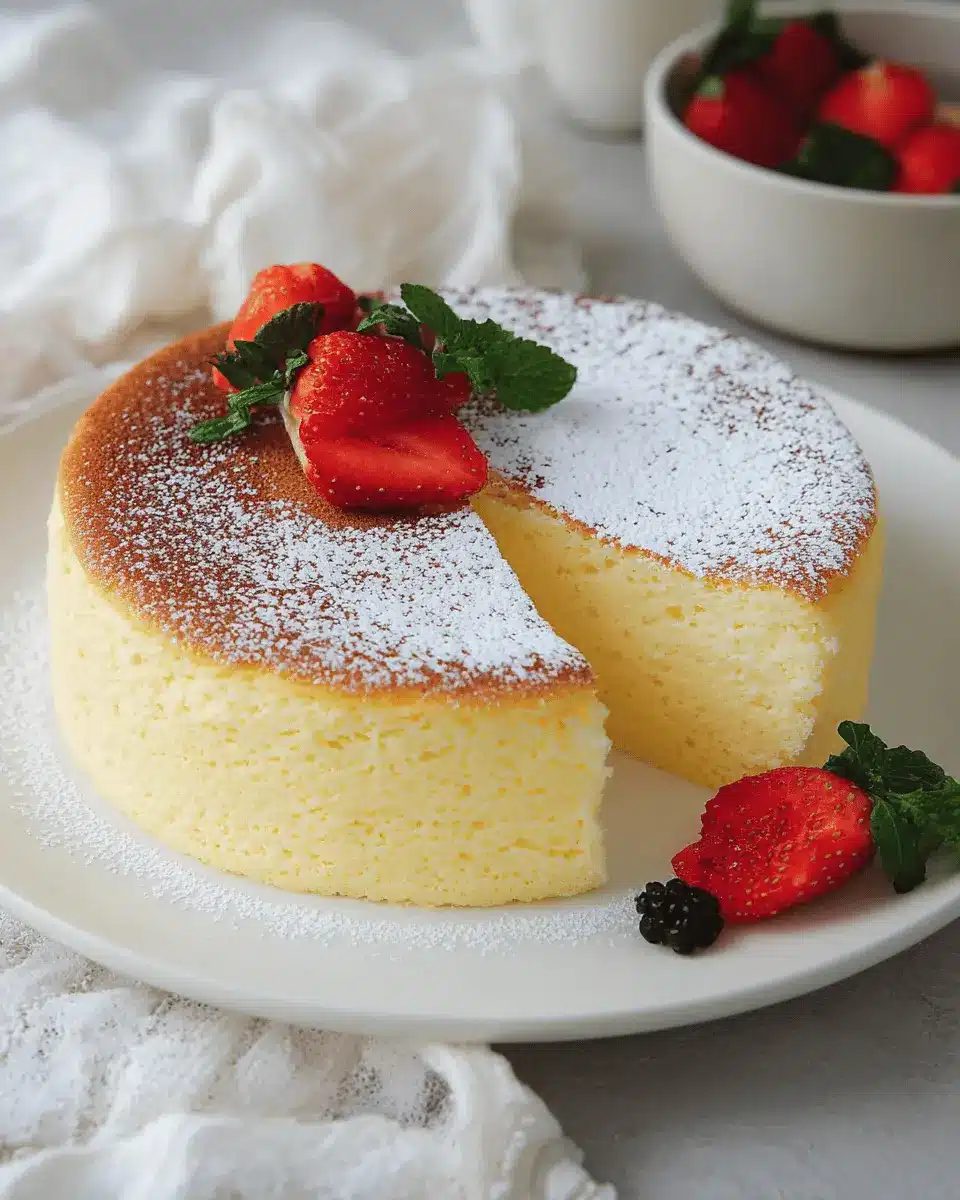
Whether you're a fan of the classic fluffy texture or looking to add a unique twist, here are some delightful variations on the Baked Japanese Cheesecake Recipe to tantalize your taste buds.
Matcha-flavored Japanese cheesecake
For a vibrant twist, try adding 2 tablespoons of matcha powder to your batter! This not only infuses the cheesecake with a beautiful green color but also offers a subtle earthiness that complements the sweetness. Matcha is packed with antioxidants, making this variation not just tasty but also a healthier option.
Chocolate Japanese cheesecake
Craving something richer? Incorporate 2 tablespoons of cocoa powder into the egg yolk batter for a luscious chocolate version. The velvety chocolate pairs beautifully with the light, airy texture of the cheesecake, offering an indulgent treat that’s perfect for any occasion. You can even top it with whipped cream or chocolate shavings for that extra touch.
These variations keep your Baked Japanese Cheesecake experience fresh and exciting, ideal for impressing guests or simply enjoying a cozy night in!
Cooking Tips and Notes for Baked Japanese Cheesecake
How to Achieve the Perfect Texture
For a light and fluffy Baked Japanese Cheesecake, the key lies in your egg white meringue. Ensure you beat the egg whites to stiff peaks gradually, adding the sugar once they begin to foam. When folding the meringue into the batter, be gentle but thorough. Over-mixing can lead to a dense cake, while under-mixing may result in separation. Your goal is a smooth, airy batter that will rise perfectly in the oven.
Gluten-Free Adaptations
Want to enjoy this creamy delight without gluten? Simply swap out regular flour for sweet rice flour (Mochiko) to keep the cheesecake's structural integrity. Remember to check that your baking powder and cornstarch are also gluten-free. This adaptation keeps the baked Japanese cheesecake recipe equally delicious for everyone to savor!
For more tips on gluten-free baking, check out Gluten-Free Baking Basics.
Serving Suggestions for Baked Japanese Cheesecake
Ideal Accompaniments
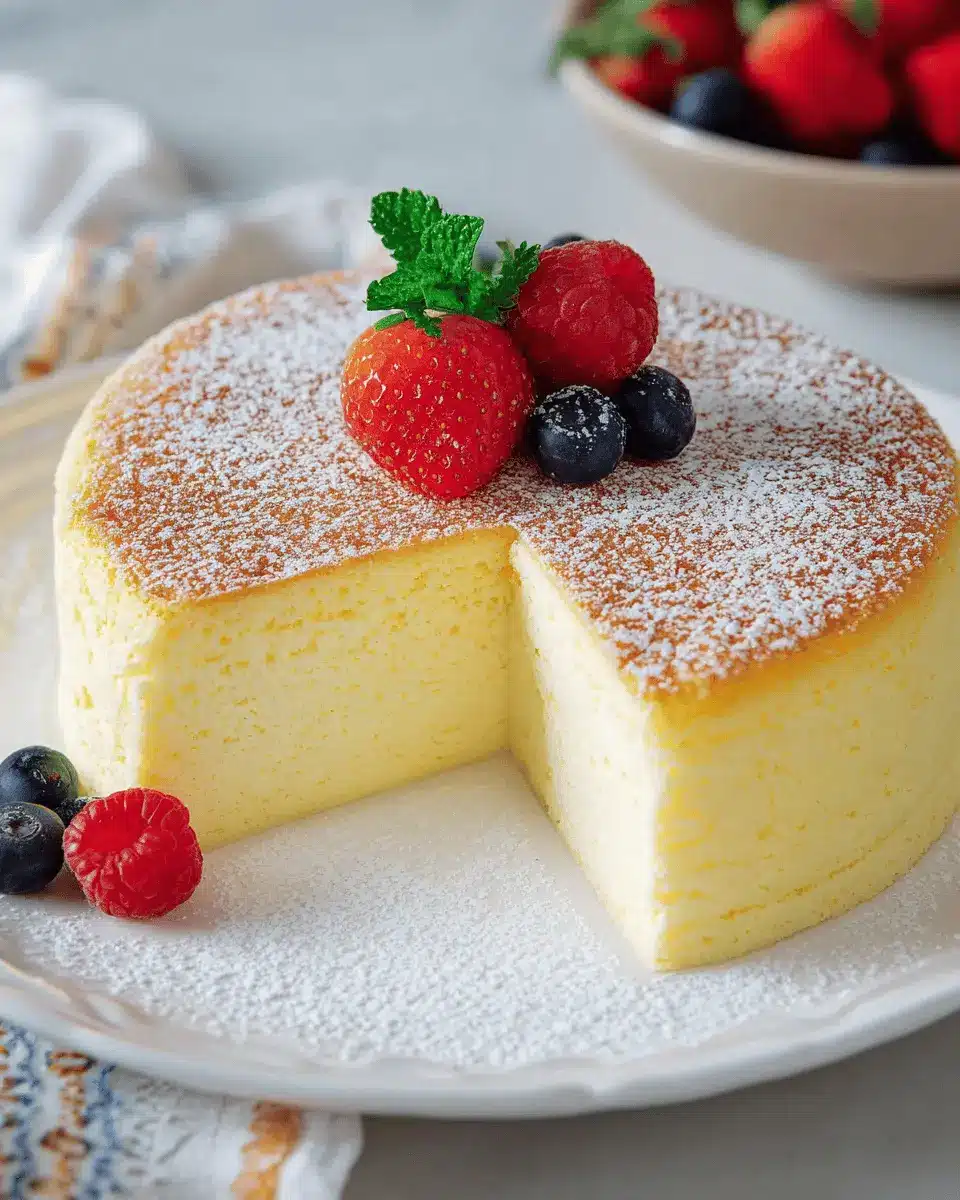
The Baked Japanese Cheesecake shines on its own, but pairing it with fresh fruits like strawberries or blueberries elevates the experience. A dusting of powdered sugar adds a charming touch, while drizzling honey or maple syrup can introduce delightful sweetness. For a refreshing twist, consider serving with a scoop of vanilla ice cream or a dollop of whipped cream.
Creative Serving Ideas
For a fun presentation, slice the cheesecake into squares and serve them topped with matcha powder or drizzled with chocolate sauce. You can even create a mini dessert board by including assorted nuts, fresh fruits, and some matcha-flavored treats. Another idea is to layer cheesecake slices with berries in a glass for a beautiful parfait. Don't hesitate to get creative—your guests will love the personal touch!
Time Breakdown for Baked Japanese Cheesecake
Preparation Time
Getting everything ready for your Baked Japanese Cheesecake Recipe takes about 20 minutes. This includes separating your eggs, mixing your ingredients, and prepping your baking pans. It’s a great time to listen to your favorite playlist or podcast!
Baking Time
The actual baking process takes roughly 1 hour and 10 minutes, broken into two phases: 25 minutes at a higher temperature, followed by another 45 minutes at a lower temperature to ensure it rises beautifully without cracking.
Total Time
In total, you should set aside about 1 hour and 30 minutes to create this delightful cheesecake. Patience is key, but trust me—it's worth every minute when you get to enjoy that creamy, fluffy goodness!
For tips on perfecting your baking techniques, check out our friend’s guide on mastering the art of cheesecake baking here.
Nutritional Facts for Baked Japanese Cheesecake
Calories
Indulging in a slice of Baked Japanese Cheesecake comes with approximately 250 calories. Although it's a delightful treat, being mindful of your portion size can help maintain a balanced diet.
Protein Content
This cheesecake is a surprisingly good source of protein, offering about 6 grams per slice. The combination of eggs and cream cheese contributes to this satisfying content, making it a tasty option for a protein boost.
Sugars and Fats
In terms of sugars, you can expect around 15 grams, primarily from the sugar added during preparation. The fat content is approximately 18 grams per slice, mostly from cream cheese and butter, which contributes to its rich, creamy texture. Enjoy in moderation for a decadent treat!
For more details on the health benefits of ingredients in your Baked Japanese Cheesecake Recipe, check out the Harvard Health Blog.
FAQs about Baked Japanese Cheesecake
What makes Japanese cheesecake different?
Japanese cheesecake is loved for its unique texture and lightness, which sets it apart from traditional cheesecakes. The use of meringue in the batter gives it a fluffy structure, often described as a cross between a cheesecake and a soufflé. This airy texture allows it to feel less dense, making it a delightful dessert to enjoy any time of the day.
Can I store leftovers?
Absolutely! If you have leftover cheesecake, it's best to cover it and store it in the refrigerator. It can keep for about 3-4 days, but for the freshest taste,try to enjoy it within the first couple of days. Just be aware, chilling it in the fridge can alter the cake's signature bounce, making it a tad denser.
How can I adjust the sweetness of the cheesecake?
If you prefer a less sweet dessert, you can easily modify the sugar in the batter. Start by reducing the sugar by a tablespoon or two when you mix the cream cheese and egg yolks. Alternatively, consider adding a hint of citrus zest or a dash of vanilla extract for extra flavor without the added sweetness.
Conclusion on Baked Japanese Cheesecake
In conclusion, this Baked Japanese Cheesecake Recipe is the perfect blend of fluffy and creamy, making it an irresistible dessert for any occasion. Whether enjoyed warm or chilled, its unique texture will leave your taste buds craving more. Give it a try and impress your friends with this delightful treat!
Baked Japanese Cheesecake Recipe by Kat Lieu
Equipment
- Mixing bowl
- mixer
- pot
- Baking Pan
- parchment paper
- oven
Ingredients
Egg White Meringue
- 5 egg whites Egg Whites
- ¼ teaspoon Cream of Tartar (or vinegar or lemon juice)
- ¼ cup Fine Sugar (Not Confectioner sugar)
Cake Batter
- 5 egg yolks Egg Yolks
- 8 oz Cream Cheese (1 bar)
- ¼ cup Butter
- ½ cup Milk (125ml)
- ¼ cup Fine Sugar
- 2 tablespoon Corn Starch (magic ingredient)
- ¼ cup Flour (use rice flour or Mochiko for gluten-free)
Optional Toppings
- Strawberries
- Confectioner Sugar
- Fruits of Your Choice
- Honey
- Matcha Powder
Instructions
Preparation
- Separate 5 beautiful eggs. Place the egg yolks in a bowl, and the egg whites in a mixer bowl.
- Place the butter, cream cheese and ¼ cup of fine sugar into a pot over low-heat. Allow the ingredients to melt, and mix together into a beautifully smooth batter mixture.
- Remove the pot from heat, and add the egg yolks into the batter mixture. Mix well, but gently.
- Add the cornstarch and flour. Once again, mix well. Clumps should disappear.
- Add milk and optionally vanilla extract or other flavors of your choice.
- Mix well. The batter should be smooth and liquid-y. You won’t have to strain this mixture.
- Set aside the batter as you beat the egg whites into stiff peaks.
- Pre-heat oven to 330F. Prepare a bain-marie by putting water in a deep rectangular baking pan or dish. Place into the oven.
- Prepare baking pans— with these ingredients, you can bake one 8-inch cake or two 6-inch cakes. Line the bottoms with circular parchment paper, and the sides with rectangular strips.
- Once you achieve stiff peaks, place some beaten egg white into the batter and mix together.
- Repeat the above step two more times.
- Pour the batter into the rest of the egg whites and mix together using folding techniques.
- Pour the well-incorporated batter into the baking pan(s).
- Bake bain-marie style for 25 minutes at 330F. Adjust the temperature if necessary.
- After 25 minutes, lower the oven temperature to about 245-265F, depending on your oven, and bake for an additional 45 minutes.
- Allow your cake to rest in the oven after baking for about 10 minutes.
- Remove from the oven and be careful using oven mitts.
- Place a sheet of parchment over the cake and flip it upside down to remove.
- Remove the wet parchment paper from the cake and replace the bottom parchment.
- Flip the cake again onto a presentation plate carefully.
- Serve when still warm or chill in the fridge. It won’t be bouncy after chilling though!
Leave a Reply