
Introduction to Bibimbap
What is Bibimbap and why is it so beloved?
Bibimbap is a vibrant and delicious Korean dish that translates to “mixed rice.” It’s a delightful medley of rice topped with various seasoned vegetables, marinated meat, and a fried egg, all harmoniously brought together with a zesty Bibimbap sauce. The beauty of bibimbap lies in its versatility—while the classic version features beef, feel free to experiment with your protein of choice, be it chicken, tofu, or even just an array of colorful veggies!
But why has this dish become such a beloved staple, both in Korea and around the world? For starters, it’s a feast for the senses, showcasing a beautiful palette of colors and textures on your plate. Each bite offers a burst of flavor, from the rich umami of the meat to the crisp, fresh veggies. Plus, it’s an engaging meal that encourages sharing, as everyone can customize their own version, mixing and matching ingredients however they like.
Curious to learn more about the history or health benefits of bibimbap? Check out innovative insights from sources like The Korea Times or Korean Bapsang for a deeper dive into this beloved dish!
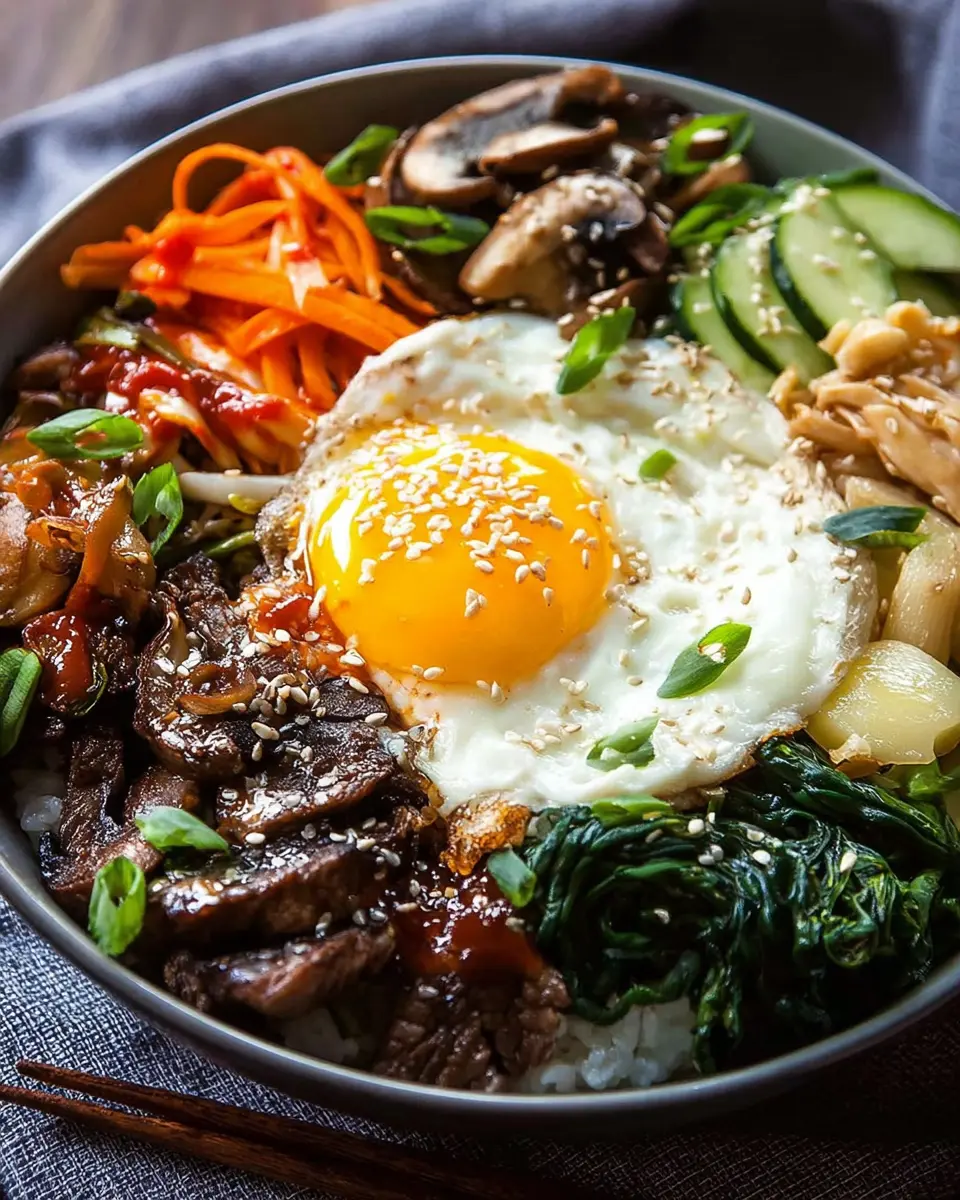
Ingredients for Bibimbap
Essential components for a perfect Bibimbap
When crafting a delightful Bibimbap, incorporating the right ingredients is key. Start with 4 cups of cooked short grain rice, which gives a satisfying stickiness and is essential for holding everything together. You'll also need perfectly cooked marinated beef (around 250g), along with an assortment of colorful vegetables. Think carrots, zucchini, spinach, and bean sprouts for crunch and nutrients. Don’t forget about the stunning runny egg on top! For the perfect flavor, drizzle on the Bibimbap sauce made with gochujang, mirin, and sesame oil.
Alternative choices for ingredients
While the traditional components offer a fantastic experience, feel free to get creative! Swap the beef for tofu or a plant-based protein for a vegetarian version. You can also mix and match veggies like mushrooms, broccoli, or even leftover roasted vegetables. For added depth, consider using fish or chicken ham. The beauty of Bibimbap is its versatility—there's really no wrong way to enjoy it! Want to dive deeper into the origins of Bibimbap? Check out Maangchi's blog for insights!
Step-by-step Preparation of Bibimbap
Making Bibimbap at home might seem daunting with its array of flavorful ingredients, but once you break it down step-by-step, you'll find it’s quite straightforward and incredibly rewarding. Let's dive into the heart of Korean comfort food!
Gather and Prepare Your Ingredients
Begin your journey by rounding up all your ingredients. You’ll need:
- 4 cups of cooked white rice, preferably short grain
- 250 g of thinly sliced beef tenderloin or thick steak
- Fresh vegetables like carrots, zucchini, and spinach, and dried shiitake mushrooms.
- Essential seasonings and sauces like gochujang, soy sauce, sesame oil, and more.
Make sure to read through the notes in the recipe for any substitutions, especially for hard-to-find items like gochujang or dried shiitake mushrooms. Visit an Asian grocery store for the best selection!
Make the Bibimbap Sauce
In a bowl, mix together the following ingredients until the sugar dissolves:
- 4 tablespoon gochujang paste
- 2 tablespoon mirin
- 2 tablespoon rice vinegar
- 1.5 teaspoon soy sauce
- 3 teaspoon white sugar
- 1 garlic clove, finely grated
- 2.5 teaspoon toasted sesame oil
This sauce is the star of your Bibimbap and packs a deliciously spicy, sweet punch. Feel free to adjust the spice level to suit your taste.
Marinate the Beef
Now it’s time to give your beef a little TLC. In a separate bowl, combine the marinade ingredients:
- Grated green apple
- Minced garlic
- Soy sauce, honey, and sesame oil.
Mix in the beef, coating it well, and let it marinate for at least 30 minutes, if time permits, overnight is even better! This not only enhances flavor but tenderizes the meat.
Cook the Vegetables
In two skillets (if you’re feeling ambitious), cook your vegetables separately to retain their distinct flavors:
- Sauté shiitake mushrooms in oil with a splash of soy and garlic until softened.
- Cook the carrots and zucchini until tender before removing from heat.
- The spinach just needs a quick sauté with some garlic and sesame oil.
For bean sprouts, a brief simmer or steam works wonders. It sounds like a lot, but having vibrant, cooked veggies is what makes a Bibimbap truly exceptional!
Cook the Beef
Heat a skillet over high heat with a splash of vegetable oil, allowing the excess marinade to drip off the beef. Cook for about 3-4 minutes until it’s nice and caramelized. The aroma will have you salivating!
Assemble Your Bibimbap Bowl
In bowls, start with a generous scoop of warm rice, then artfully arrange your cooked veggies and marinated beef on top. Don’t forget to leave a spot for the star of the show!
Top with an Egg and Serve
The finishing touch? Top each Bibimbap with a fried egg cooked to your liking. A runny yolk creates a luscious sauce that ties everything together. Sprinkle with sesame seeds and drizzle some sesame oil for added flavor.
Serve your delicious Bibimbap with the sauce on the side and enjoy this delightful, colorful dish that’s just as pleasing to behold as it is to eat!
This homemade Bibimbap is not just food; it’s an experience. With every colorful ingredient playing its part, you’ll be savoring the complex flavors of Korea right in your own home. Happy cooking!
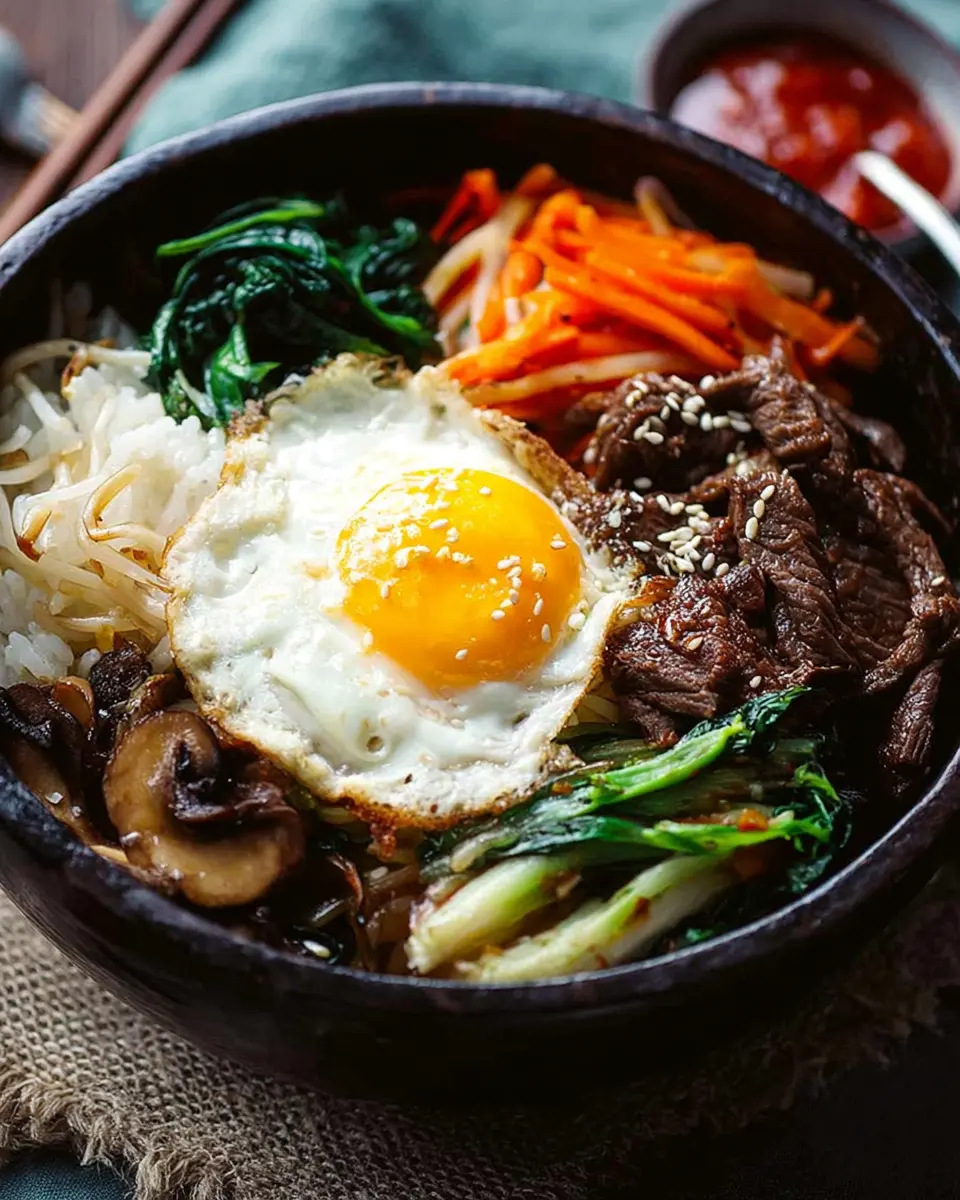
Variations of Bibimbap
Vegetarian and Vegan Options
Bibimbap is wonderfully adaptable. For a vegetarian or vegan delight, simply omit the beef and use tofu or tempeh marinated in the same delicious sauce! You can also load it with seasonal veggies like bell peppers or mushrooms. Try incorporating a variety of grains, such as quinoa or brown rice, to boost the nutritional value. The flavors meld beautifully, so any combination you choose is bound to be heavenly.
Alternative Proteins to Use
Looking to switch up the protein in your Bibimbap? Consider using grilled chicken or shrimp for a lighter option. You can also try turkey bacon for a savory twist, adding a smoky flavor. If you're seeking something plant-based, lentils or chickpeas make great replacements that absorb all the rich flavors. Don’t hesitate to get creative with Bibimbap – this dish welcomes a world of variations!
For further reading on tempering flavors in Asian cuisine, check out Serious Eats.
Cooking Tips and Notes for Bibimbap
Common Mistakes to Avoid
When preparing your Bibimbap, avoiding a few key pitfalls will elevate your dish:
- Overcooking the vegetables: Aim for a slight crunch to maintain flavors and textures. Sauté just until they're vibrant but tender.
- Skipping the marination: Allowing the beef to marinate for at least 30 minutes is crucial. This step infuses it with flavor, making a noticeable difference in taste.
- Serving too hot: Bibimbap is traditionally enjoyed at room temperature. Letting it cool a bit before serving balances the flavors beautifully.
For more tips on achieving perfect Bibimbap, check out Korean Kitchen Tips for expert insights!
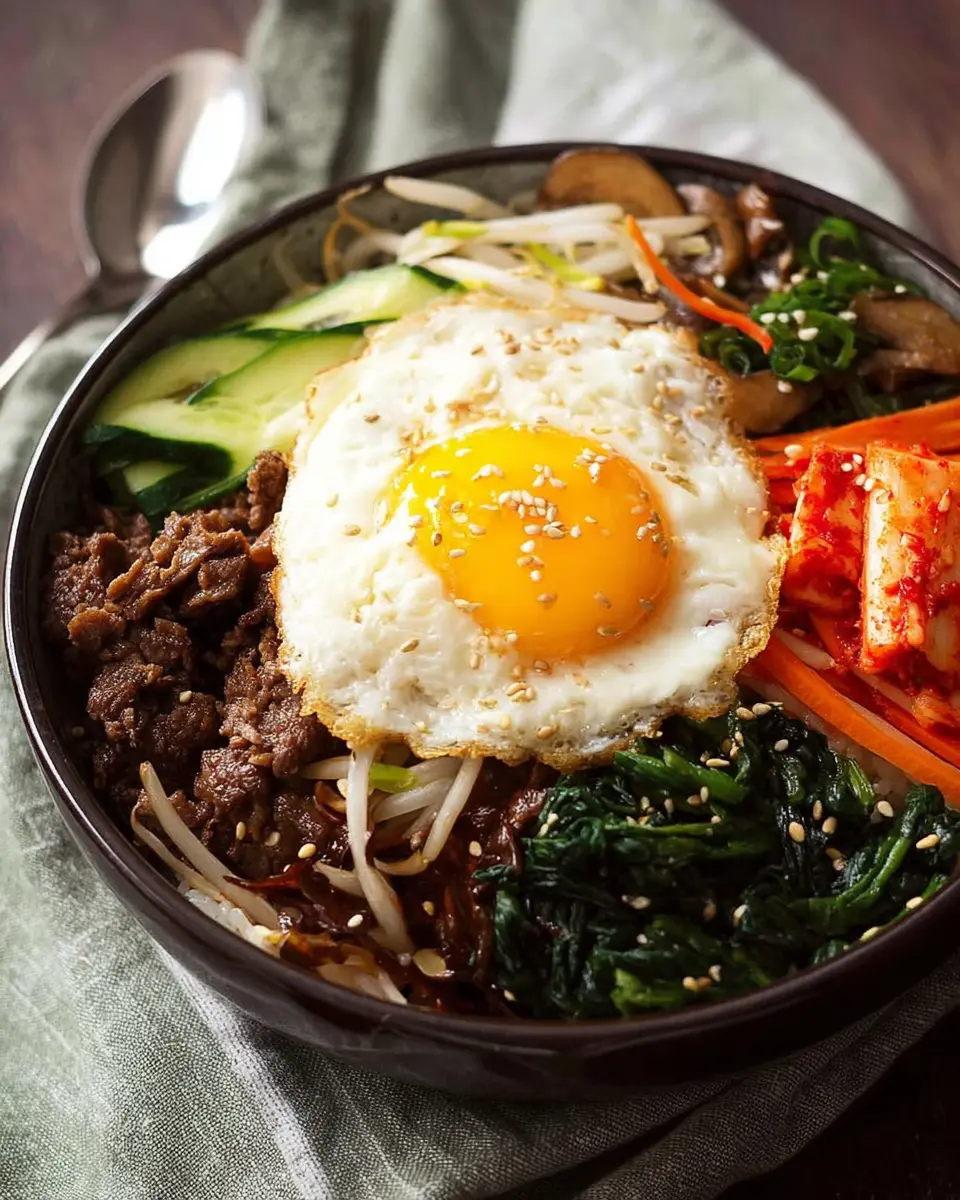
Serving Suggestions for Bibimbap
Ideal sides to complement your meal
Bibimbap is a delightful explosion of flavors and textures on its own, but pairing it with the right sides can elevate your meal experience. Here are some fantastic options to consider:
- Korean Pickled Vegetables: Adding tangy, pickled radishes or cucumbers balances the richness of the Bibimbap and adds a refreshing crunch.
- Kimchi: A staple in Korean cuisine, this fermented cabbage dish brings a spicy kick that beautifully complements the Bibimbap’s savory notes.
- Miso Soup: A light miso soup offers a soothing contrast and can help cleanse your palate between bites.
- Steamed Dumplings: Some dumplings filled with vegetables or meat can round out the meal, providing another layer of heartiness.
These sides will not only enhance your Bibimbap but also give your dining table a vibrant and inviting feel. For more on Korean cuisines, you can check out Maangchi for delicious recipes and inspiration.
Time Breakdown for Bibimbap
Preparation Time
Getting everything ready for your delicious Bibimbap takes about 40 minutes. This includes marinating the beef and prepping the vegetables. If you’re new to this dish, take your time to enjoy the process!
Cooking Time
The cooking part will take roughly 30 minutes. You'll be juggling a few skillets and stir-frying those vibrant veggies while sizzling the marinated beef. Don’t worry if it feels like a lot—once you get into the groove, it flows smoothly.
Total Time
In total, you're looking at about 1 hour and 10 minutes to complete this mouthwatering Bibimbap. Remember, the dish is best served at room temperature, so there’s no need to hurry. It’s all about enjoying the vibrant colors and flavors as they come together!
For tips on marinating techniques, check out this guide for more insights.
Nutritional Facts for Bibimbap
When it comes to Bibimbap, it’s not just delicious but also packed with nutrition. Here’s a quick look at its nutritional facts to keep your healthy eating habits on track!
Calories
A serving of Bibimbap contains approximately 689 calories. This makes it a satisfying meal option that doesn't compromise on flavor.
Protein
You'll get around 27 grams of protein per serving, thanks to the combination of beef and eggs, making it a great choice for muscle recovery and overall health.
Essential Vitamins and Minerals
Bibimbap is rich in essential nutrients, including:
- Vitamin A: 5575 IU, crucial for eye health and immune function.
- Vitamin C: 35 mg, important for skin health and immune support.
- Iron: 4.4 mg to support energy levels.
- Calcium: 100 mg, aiding in bone health.
Looking for ways to boost your nutrient intake? Consider adding more leafy greens or a handful of nuts as toppings! For a more in-depth understanding of the nutritional components of your food, check out resources like the Harvard T.H. Chan School of Public Health or the USDA FoodData Central for comprehensive databases.
FAQs about Bibimbap
Can I make Bibimbap ahead of time?
Absolutely! Bibimbap is perfect for meal prep. You can prepare all the components—rice, marinated beef, and veggies—up to a few days in advance. Store them individually in airtight containers in the fridge. When you're ready to eat, simply reheat the meat and rice (if desired) and assemble your Bibimbap with the veggies, egg, and sauce. The flavors meld beautifully, and it’s delicious served at room temperature!
How do I customize my Bibimbap?
The beauty of Bibimbap lies in its versatility. You can easily customize it by swapping out the vegetables or protein to match your taste. Try adding mushrooms, radishes, or even tofu for a vegetarian option. Experiment with different sauces like hoisin or sriracha for a unique kick! Don't forget to explore ingredient substitutes to make the dish yours.
What can I substitute for gochujang?
If you can’t find gochujang, a rich and spicy Korean red pepper paste, no worries! You can use a mix of miso paste and a splash of hot sauce as a substitute. Alternatively, a combination of chili paste and a bit of sugar can mimic the sweet and spicy depth of gochujang. Just adjust to your spice preference!
Conclusion on Bibimbap
Final thoughts on making and enjoying Bibimbap
Creating bibimbap at home is a delightful culinary adventure! Its vibrant colors and diverse flavors make for not just a meal, but a sensory experience. Remember, the key lies in the bibimbap sauce—it ties all the elements together. So, gather your ingredients, savor the process, and enjoy every bite!
Bibimbap!
Equipment
- Skillet
- bowl
- grater
- spoon
Ingredients
Rice
- 4 cups cooked white rice preferably short grain
Eggs
- 4 units eggs
Sesame Seeds
- 2 teaspoon sesame seeds
Korean Beef & Marinade
- 250 g beef tenderloin or thick steak very finely sliced
- ¼ units green apple grated using box grater
- 3 cloves garlic minced
- 1 tablespoon soy sauce light or all purpose
- 1 tablespoon honey or brown sugar
- 2 teaspoon sesame oil toasted
Vegetables
- 2 units carrots large, cut into 5 x 0.5cm batons
- 2 units zucchini large, cut into 5 x 0.5cm batons
- 1 bunch spinach cut into 5cm lengths
- 8 units dried shiitake mushrooms large
- 4 cups bean sprouts
- 2 teaspoon garlic minced
- 8 teaspoon vegetable oil separated
- ½ teaspoon salt
- 1.5 teaspoon soy sauce light or all purpose
- ¼ teaspoon fish sauce sub soy
- ¼ teaspoon white sugar
- sesame oil toasted
Bibimbap Sauce
- 4 tablespoon gochujang paste
- 2 tablespoon mirin
- 2 tablespoon rice vinegar
- 1.5 teaspoon soy sauce
- 3 teaspoon white sugar
- 1 clove garlic finely grated
- 2.5 teaspoon sesame oil toasted
Instructions
Bibimbap Sauce
- Mix ingredients until sugar is dissolved.
Marinated Beef
- Mix the marinade in a bowl, then add beef. Marinate for 30 minutes to overnight.
- Heat 2 teaspoon oil in a large skillet over high heat. Let excess marinade drip off then add beef. Cook for 3 - 4 minutes until cooked and there's some caramelised bits, then remove from skillet.
- Keep warm until required or reheat to warm.
Prepare Vegetables
- Soak mushrooms in a large bowl of boiling water for 30 minutes, or until rehydrated. Drain, squeeze out excess water, then slice.
- Place carrot and zucchini in separate bowls, sprinkle each with ¼ teaspoon salt, toss, leave for 20 minutes then drain excess liquid.
Cook Vegetables
- Heat 2 teaspoon oil in a skillet over medium high heat. Cook mushrooms for 2 minutes. Add 1.5 teaspoon soy, ¼ teaspoon sugar, ½ teaspoon of garlic. Stir for 1 minute, then remove.
- Add 2 teaspoon oil into the skillet, cook carrot until just tender (5 to 8 minutes), then remove.
- Cook zucchini as with carrot for 4 minutes.
- Heat 2 teaspoon veg with a splash of sesame oil. Saute until starting to wilt. Add ½ teaspoon garlic, and salt to taste, stir, then remove. When cool, squeeze to drain out excess liquid.
- Simmer bean sprouts in water for 5 min or steam in microwave for 3 min until floppy. Drain under cold water, then cool. Squeeze out excess liquid with hands, place in bowl. Mix with 2 teaspoon sesame oil, 1 teaspoon garlic, ¼ teaspoon fish sauce.
Assemble
- Fry eggs in a skillet to your taste.
- Place warm rice in bowls.
- Top with vegetables and beef, then lastly, the egg.
- Sprinkle with sesame seeds, drizzled with sesame oil. Serve with Bibimbap Sauce!


Leave a Reply