
Introduction to Korean-Inspired Gochujang Meatballs
What are Gochujang Meatballs?
If you've been looking for a way to elevate your weeknight dinners or impress guests at your next gathering, look no further than Korean-Inspired Gochujang Meatballs. This flavorful fusion dish combines traditional meatball elements with the unique, spicy-sweet flavor of gochujang, a Korean red pepper paste known for its rich umami profile. These meatballs are not just your average fare—each bite delivers a perfect balance of savory goodness that can take any meal to new heights.
Imagine an appetizer that’s packed with flavor yet incredibly simple to make! These meatballs are perfect for serving alongside a steaming bowl of rice or as a stand-alone bite at a party. Whether you're new to cooking or a seasoned chef, you'll find that making these delightful bites is both easy and rewarding.
Curious about the gochujang and how it adds a special twist? It's worth a deeper dive! This fermented ingredient not only contributes heat but also brings a depth that pairs wonderfully with a variety of sides, from stir-fried veggies to light salads. Let’s dive into the recipe and bring these bold flavors into your kitchen!
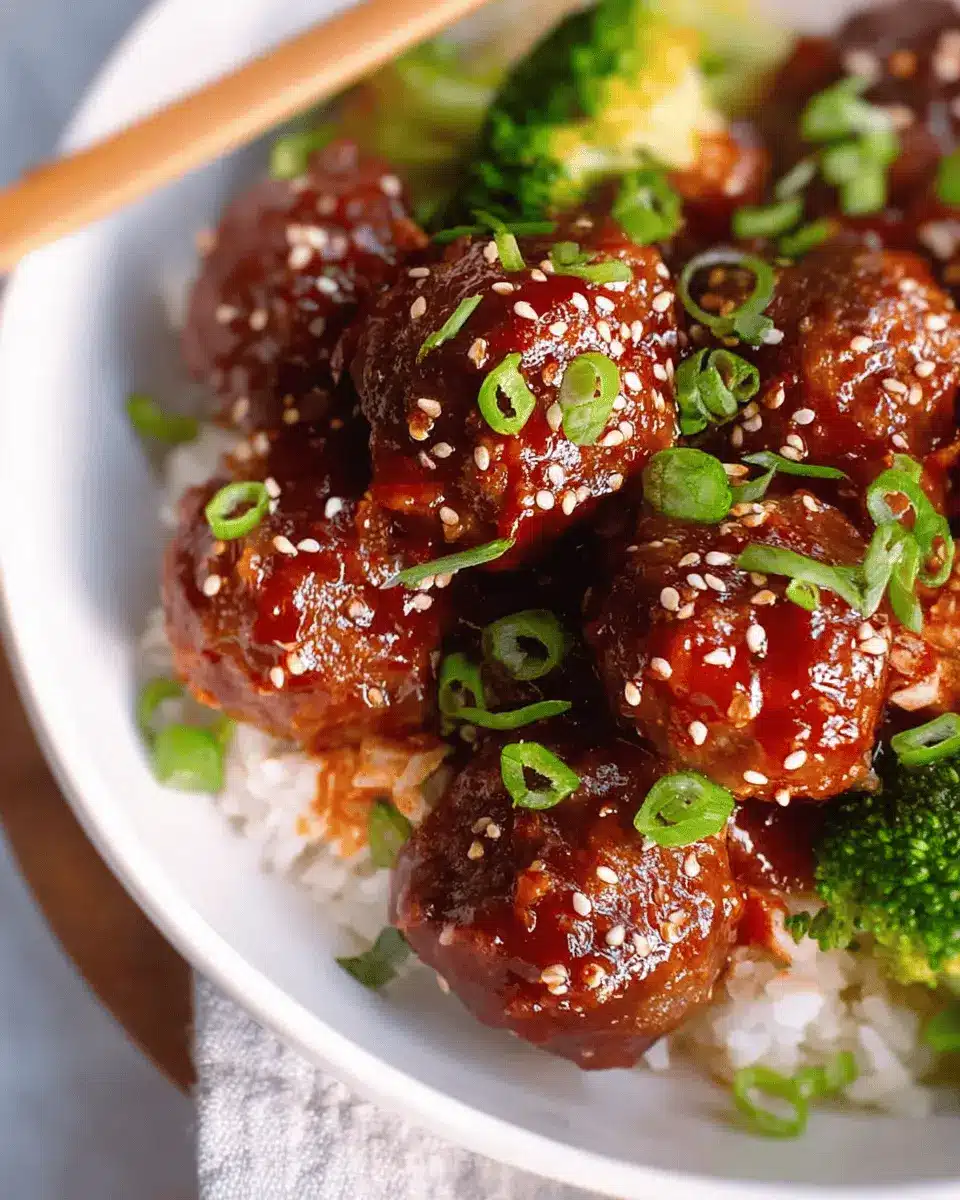
Ingredients for Korean-Inspired Gochujang Meatballs
Creating these Korean-Inspired Gochujang Meatballs is a delightful adventure in flavor. Here's what you'll need to bring this dish to life.
Key Ingredients
- 1 ½ lbs ground beef (85/15): The perfect balance of lean and fat for juicy meatballs.
- 2 ½ tablespoon low sodium soy sauce: This adds depth and umami without overwhelming the dish.
- 2 ½ tablespoon gochujang: A Korean red pepper paste that delivers rich, spicy flavor.
- 1 tablespoon grated ginger: Fresh ginger brings a lovely zing to the mix.
- 3 cloves garlic (minced): Because who doesn’t love garlic?
- ½ teaspoon white pepper: For an extra kick of subtle heat.
- 1 large egg (lightly beaten): Acts as a binder for our meatball mixture.
- ⅓ cup panko breadcrumbs: These create a light, airy texture.
Optional Toppings
To elevate your meatballs, consider adding:
- Toasted sesame seeds: For a nutty crunch and presentation.
- Green onions (thinly sliced): Freshness that complements the savory flavors beautifully.
These simple yet impactful ingredients will have your taste buds dancing with joy! For more tips on using gochujang, check out this guide. Happy cooking!
Step-by-Step Preparation of Korean-Inspired Gochujang Meatballs
Creating Korean-Inspired Gochujang Meatballs is a delightful way to bring a burst of flavor into your kitchen. Perfect for dinner or as an irresistible appetizer, these steps will guide you smoothly through the process.
Preheat the Oven
Start your culinary adventure by preheating your oven to 400°F (about 205°C). This step ensures that your meatballs cook evenly and get that delicious brown crust. While the oven heats up, you can prepare your baking sheet; line it with parchment paper or foil for easy cleanup, or just give it a good spray with non-stick cooking spray.
Mix the Meatball Ingredients
In a large mixing bowl, gather your meatball ingredients. This is where the magic begins! Combine 1 ½ lbs of ground beef, 2 ½ tablespoon of low sodium soy sauce, 2 ½ tablespoon of gochujang, 1 tablespoon of grated ginger, 3 minced garlic cloves, ½ teaspoon of white pepper, 1 large beaten egg, and ⅓ cup of panko breadcrumbs. Using clean hands or a soft spatula, mix everything together gently. Be mindful not to overwork the mixture; otherwise, your meatballs might turn out tough instead of tender.
Shape the Meatballs
Now for a fun part—shaping! With your mixture ready, use a spoon or a small scoop to portion out the meatballs. Aim for about 1 to 1.5 inches in diameter. Roll them gently into round shapes and place them on your baking sheet. Space them out, so they don’t touch while they bake. This helps them cook evenly and develop that nice texture.
Bake the Meatballs
Pop those meatballs in the preheated oven! Bake on the middle rack for 16-18 minutes, or until they are cooked through and beautifully browned. You’ll know they’re ready when they reach an internal temperature of 160°F. The smell wafting through your kitchen is a delightful perk of this step.
Prepare the Glaze
While the meatballs are baking, whip up your glaze. In a small saucepan over low heat, combine 3 tablespoon of gochujang, 3 tablespoon of honey, 3 tablespoon of rice vinegar, 1 ½ tablespoon of low sodium soy sauce, and 1 ½ tablespoon of toasted sesame oil. Whisk it together until smooth and shiny—about 30 to 60 seconds should do it! This glaze will add the perfect kick of flavor to your meatballs.
Toss and Serve
Once the meatballs are out of the oven, it’s time to toss them in that luscious glaze. Reserve half of the glaze to drizzle on top for serving. You can enjoy these meatballs solo as a tasty appetizer or pair them with rice, vegetables, kimchi, and some optional toppings like toasted sesame seeds or sliced green onions. Serve them hot, and get ready to impress your friends and family with this flavor-packed dish!
Embrace the vibrant flavors of these Korean-Inspired Gochujang Meatballs—they'll soon become a staple in your meal rotation!
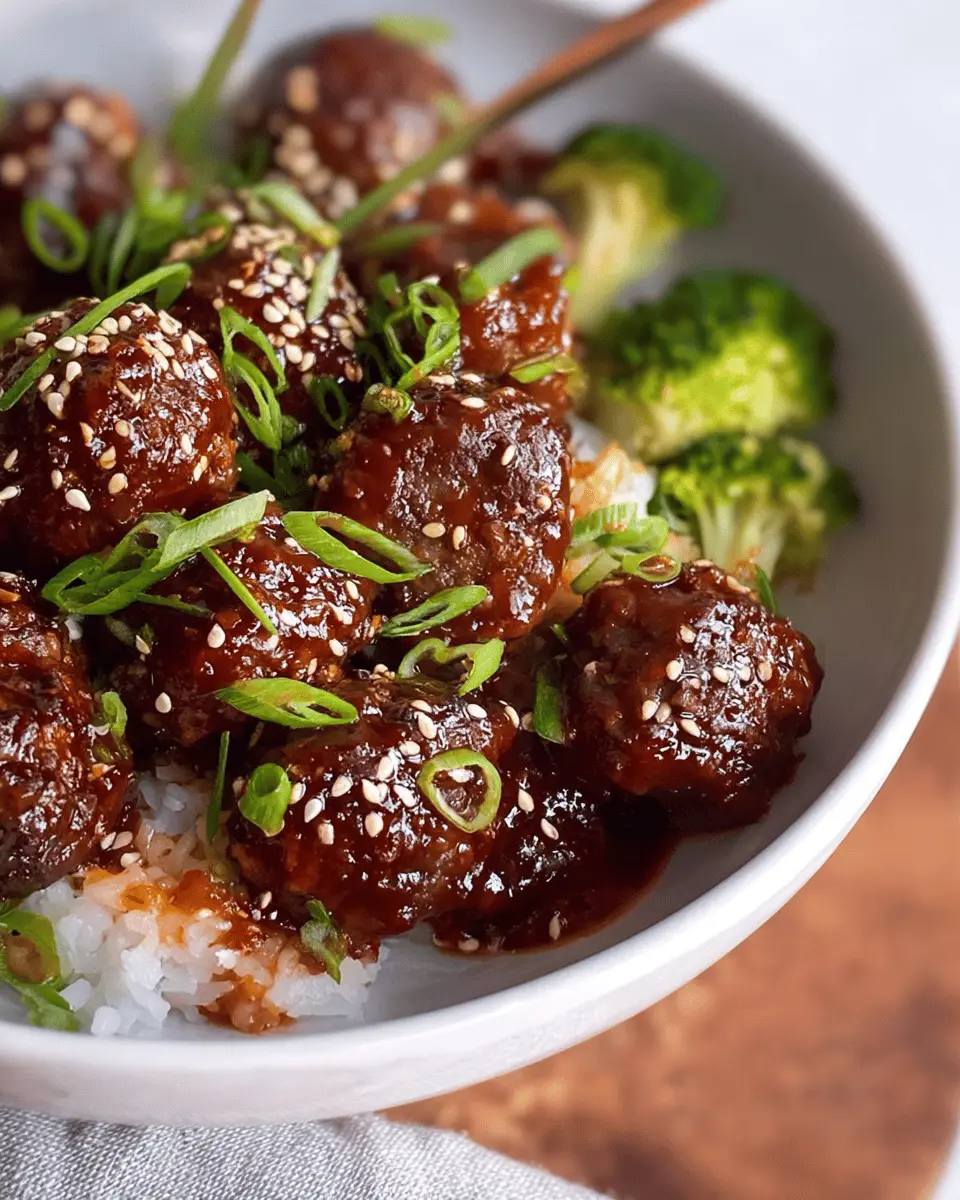
Variations of Korean-Inspired Gochujang Meatballs
Vegetarian Options
You can easily transform these Korean-Inspired Gochujang Meatballs into a vegetarian delight. Instead of using ground beef, try substituting it with a blend of finely chopped mushrooms, lentils, or crumbled tofu. Mixing in some cooked quinoa can also add a hearty texture. Adding a little more gochujang will ensure that the flavor stays bold and exciting!
Different Protein Choices
For those who prefer a variation in protein, consider using ground turkey, chicken, or even pork. Each option brings a unique flavor that pairs wonderfully with the savory glaze. Feel free to experiment with spicing; for example, add some chopped green onions or a sprinkle of sesame seeds to really amp up the taste. Want a leaner meatball? Lean ground turkey or chicken can work like a charm too!
These variations not only make the recipe versatile but also cater to different dietary preferences, ensuring everyone can enjoy these tasty bites!
Cooking Tips and Notes for Gochujang Meatballs
Avoiding Dense Meatballs
To keep your Korean-Inspired Gochujang Meatballs light and fluffy, be sure not to overmix the ingredients. Mixing just until everything is combined helps maintain a tender texture. Remember, leaving some air in the mixture is your friend!
Storing Leftovers
Got leftovers? Lucky you! These meatballs can be stored in the fridge for up to five days. If you want to keep some for later, consider freezing them in a tightly sealed freezer-safe bag for up to three months. Thaw overnight in the fridge before reheating. For more storage tips, check out this guide on food preservation.
Enjoy your delicious meatballs and don’t forget to share them with friends!
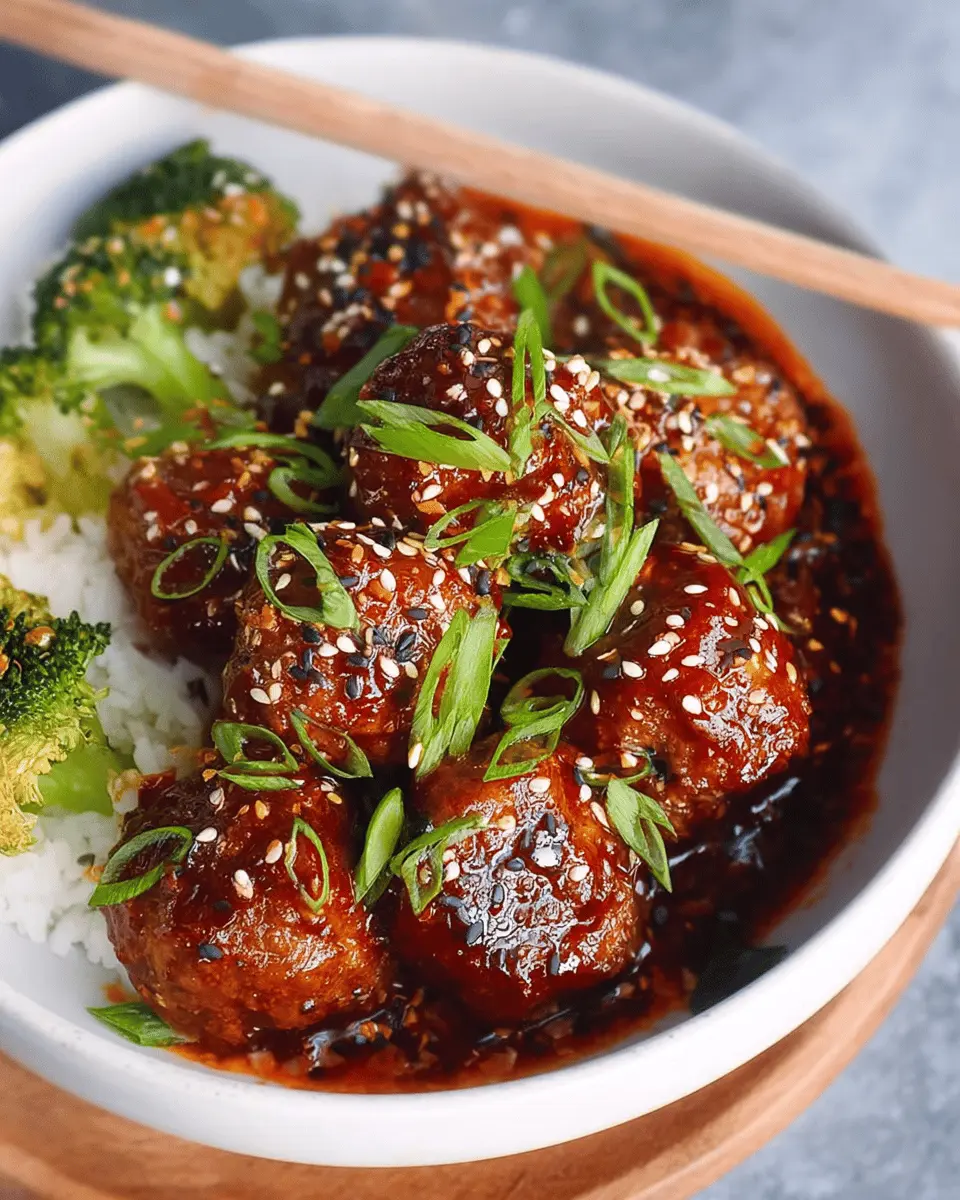
Serving Suggestions for Gochujang Meatballs
Perfect Pairings
The Korean-Inspired Gochujang Meatballs shine when paired with fluffy jasmine rice or quinoa, creating a delightful texture contrast. Add a side of steamed vegetables like bok choy or broccoli for a wholesome balance, or serve alongside tangy kimchi for an authentic Korean twist. Drizzle extra glaze over everything to make it extra special!
Creative Serving Ideas
These meatballs are perfect for casual gatherings or a cozy dinner. Consider skewering them for a fun appetizer or serving them in mini slider buns topped with your choice of toppings, such as sliced green onions or sesame seeds. You can even turn them into a flavorful meatball sub with fresh cucumber slices and spicy mayo for an exciting fusion feast!
Time Breakdown for Gochujang Meatballs
Preparation Time
In just 15 minutes, you can have your ingredients prepped and ready to go. This includes gathering everything from ground beef to the delectable gochujang sauce ingredients.
Cooking Time
The baking magic happens in about 20 minutes, where your meatballs transform into flavorful little bites, cooking perfectly in the oven.
Total Time
In only 35 minutes, you’ll have these Korean-Inspired Gochujang Meatballs ready to serve! That means you can whip them up even on your busiest weeknight. For more flavor-packed recipes, check out Serious Eats for inspiration!
Nutritional Facts for Gochujang Meatballs
When indulging in these Korean-Inspired Gochujang Meatballs, it's good to know what's in them! Here are the nutritional highlights for one serving:
Calories
These flavorful meatballs pack in about 403 calories, making them a satisfying addition to your meal without overwhelming your daily intake.
Protein
Each serving offers a hearty 22g of protein, perfect for helping you stay full and support muscle recovery after a workout.
Sodium
With 501mg of sodium, these meatballs balance flavor and health, but feel free to adjust the soy sauce to lower the sodium content if needed.
For more information about Korean cuisine and cooking tips, check out Food & Wine for some inspiration while you whip up these tasty meatballs!
FAQs about Korean-Inspired Gochujang Meatballs
Can I make these meatballs ahead of time?
Absolutely! These Korean-Inspired Gochujang Meatballs are perfect for meal prep. You can mix and shape them a day in advance and store them in the fridge. If you want a longer shelf life, freeze the uncooked meatballs in a single layer and then transfer them to a freezer-safe bag. When ready to cook, simply bake from frozen—just add a few extra minutes to the cooking time.
What can I serve with Gochujang Meatballs?
These flavorful meatballs are incredibly versatile! Serve them with:
- Steamed rice or quinoa for a filling meal.
- A fresh salad to brighten things up.
- Roasted veggies or stir-fried greens for added nutrition.
- Kimchi for authentic Korean flair!
You can also use them as a fun appetizer at your next gathering.
How can I adjust the spice level?
Want it milder? Simply reduce the amount of gochujang in the recipe or add a bit of honey for sweetness. For spice enthusiasts, try adding extra gochujang or even some crushed red pepper flakes! Balancing spice is all about personal taste, so feel free to get creative.
Conclusion on Korean-Inspired Gochujang Meatballs
In conclusion, these Korean-Inspired Gochujang Meatballs are a delightful fusion of flavor and versatility. Perfect as appetizers or a main dish, they bring spice, sweetness, and amazing umami to your table. Try adding fresh veggies or serve with rice for a wholesome meal. You won’t regret it!
Korean-Inspired Gochujang Meatballs
Equipment
- Large mixing bowl
- baking sheet
- parchment paper
- Saucepan
- whisk
Ingredients
For the Gochujang Meatballs
- 1.5 lbs ground beef 85/15
- 2.5 tablespoon low sodium soy sauce
- 2.5 tablespoon gochujang Korean red pepper paste
- 1 tablespoon grated ginger
- 3 cloves garlic minced
- 0.5 teaspoon white pepper
- 1 large egg lightly beaten
- 0.33 cup panko breadcrumbs
For the Glaze
- 3 tablespoon gochujang Korean red pepper paste
- 3 tablespoon honey
- 3 tablespoon rice vinegar
- 1.5 tablespoon low sodium soy sauce
- 1.5 tablespoon toasted sesame oil
Optional Toppings
- toasted sesame seeds
- green onions thinly sliced
Instructions
Instructions
- Preheat the oven to 400 degrees F (about 205 degrees C). Line a large sheet pan or baking sheet with parchment paper or foil, or spray it down with non-stick spray.
- Add all the ingredients for the gochujang meatballs to a large mixing bowl. Using clean hands or a soft spatula, mix it all together until everything is evenly combined. Portion out individual meatballs with a spoon or small scoop and roll them into round shapes.
- Place the meatballs on the baking sheet so none of them touch. Bake on the middle rack for 16-18 minutes or until the meatballs are cooked through and starting to brown, or the internal temperature reaches 160 degrees F.
- Meanwhile, make the glaze. Warm a small saucepan over low heat and add the gochujang, rice vinegar, honey, soy sauce, and toasted sesame oil. Whisk it together until it's saucy and smooth (which should only take about 30-60 seconds once the saucepan heats up). Remove from heat.
- To serve, toss the cooked meatballs in half of the gochujang glaze, reserving the other half to drizzle on top. Serve alone as an appetizer, or combine with cooked rice, vegetables, kimchi, and other toppings to build a complete meal in a bowl. Serve while hot and enjoy.

Leave a Reply