
Introduction to Mango Sago
Mango Sago is more than just a dessert; it's a delightful experience that transports you straight to tropical paradises with every spoonful. Why is it that Mango Sago has become a beloved treat, especially in Asian cultures? For starters, it perfectly balances flavors and textures, combining the sweetness of ripe mangoes with the creaminess of coconut milk and the chewy delight of tapioca pearls. This dessert is not just tasty but also visually appealing, making it a feast for the eyes.
Many people reminisce about their summer vacations as they savor this dish, evoking memories of lazy beach days and warm evenings. You can even find it at many Asian dessert shops, which further enhances its popularity. With the explosion of food trends, Mango Sago has become a staple on social media, where food enthusiasts showcase their versions and inspire a new generation of dessert lovers.
If you're curious about how to make this refreshing summer treat, grab the ingredients, and let’s dive into the recipe. It's straightforward, quick to prepare, and perfect for impressing friends at your next gathering. Check out our full recipe below, and get ready to enjoy a taste of paradise!
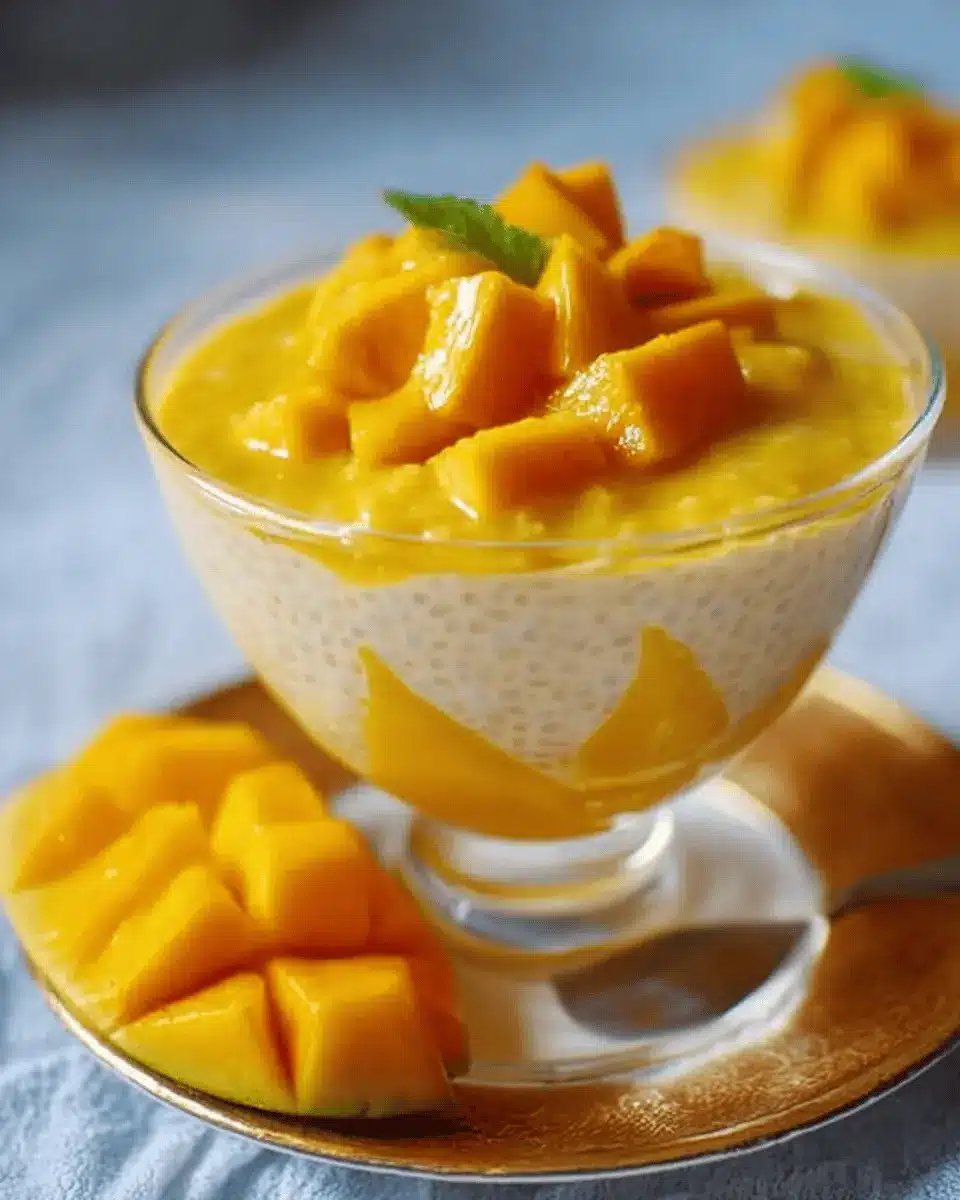
Ingredients for Mango Sago
Key ingredients you’ll need
To whip up a delightful Mango Sago, you'll need a few essential ingredients that come together for a tropical flavor burst. Here’s what you'll need:
- Uncooked mini tapioca pearls: About ½ cup, which will create that signature chewy texture.
- Ripe mangos: Three ripe ones (approximately 1 kg) will infuse your dessert with sweetness and vivid color.
- Coconut milk: 200 ml of unsweetened coconut milk brings a creamy consistency and enhances the tropical flavor.
- Sweetened condensed milk: Use 60 ml (or more, depending on your sweetness preference) for that luscious, dessert-worthy richness.
- Vanilla extract: Just ½ teaspoon to elevate the flavor profile with a subtle warmth.
Optional ingredients for customization
Though the basic Mango Sago is fantastic on its own, you can personalize it with a few optional additions:
- Fresh fruits: Consider toppings like diced kiwi or strawberries for a refreshing twist.
- Mint leaves: A sprinkle of fresh mint can provide a vibrant burst of flavor and enhance presentation.
- Nuts or seeds: Adding toasted coconut flakes or sesame seeds can introduce a delightful crunch.
Feel free to mix and match to create your signature version of this summer dessert! For a deeper dive, check out some fun tips on mango varieties to choose the best fruit for your Mango Sago!
Preparing Mango Sago
If you're looking to whip up a delightful summer treat, Mango Sago is the perfect choice! This creamy dessert combines chewy tapioca pearls with luscious mango for a satisfying finish to your meal. Let’s dive into the steps to prepare this refreshing dish.
Cook the Tapioca
The first step in your Mango Sago adventure is cooking the tapioca pearls.
- Bring water to a boil: In a medium saucepan, heat about 4 cups of water until it reaches a rolling boil. This ensures that the tapioca cooks evenly and achieves that wonderful, chewy texture.
- Add the tapioca: Pour in your ½ cup of uncooked mini pearl tapioca. Stir thoroughly, as it's essential to keep the pearls from sticking together.
- Simmer: Allow the mixture to simmer for about 20 minutes, stirring occasionally. You’re looking for the tapioca to become completely transparent. If they still have a white center after 20 minutes, simply cover the pot and let it sit in the heat for another 10 minutes for perfect results.
Once the tapioca is cooked, drain and rinse it under cold water to stop the cooking process. Soak it in a bowl of cold water to keep them from sticking.
Prepare the Mango
Next, let’s turn our attention to the star of our dessert: the mango.
- Peeling and chopping: For the best flavor, use three ripe mangos. Peel them with a vegetable peeler and slice them around the pit. Set aside a handful of nice chunks for topping later—this will give your Mango Sago that beautiful presentation!
It's worth taking a moment to appreciate the wonderful health benefits of mangoes, which are rich in vitamins A and C, and packed with antioxidants.
Blend the Mango Mixture
Now that your ingredients are prepped, it's time to create a luxurious mango puree.
- Blend away: In a blender, combine the chopped mango, 200 ml of unsweetened coconut milk, 60 ml of sweetened condensed milk, and ½ teaspoon of vanilla extract. Blend until the mixture is smooth and creamy.
If you want to enjoy this dessert nice and cold, consider chilling the mango puree for at least an hour in the refrigerator.
Combine Tapioca with the Mango Mixture
Ready to bring it all together?
- Final mix: Drain the cooked tapioca (you don’t want any excess water) and fold it gently into the chilled mango mixture. Stir until the tapioca is evenly distributed.
Chill (optional) and Serve
Now for the moment you’ve been waiting for!
- Chill: If you skipped the chilling step for the mango mixture, you can chill the Mango Sago for an additional 30 minutes after combining. It makes for a super refreshing treat.
- Scoop and serve: Serve the delightful mixture in individual bowls, topping each one with those reserved mango chunks. Your friends and family are going to love this!
Dive into this delicious summer dessert, and don’t forget to share your experience! For more tropical recipes, check out our guide on making coconut milk desserts. Enjoy your Mango Sago!
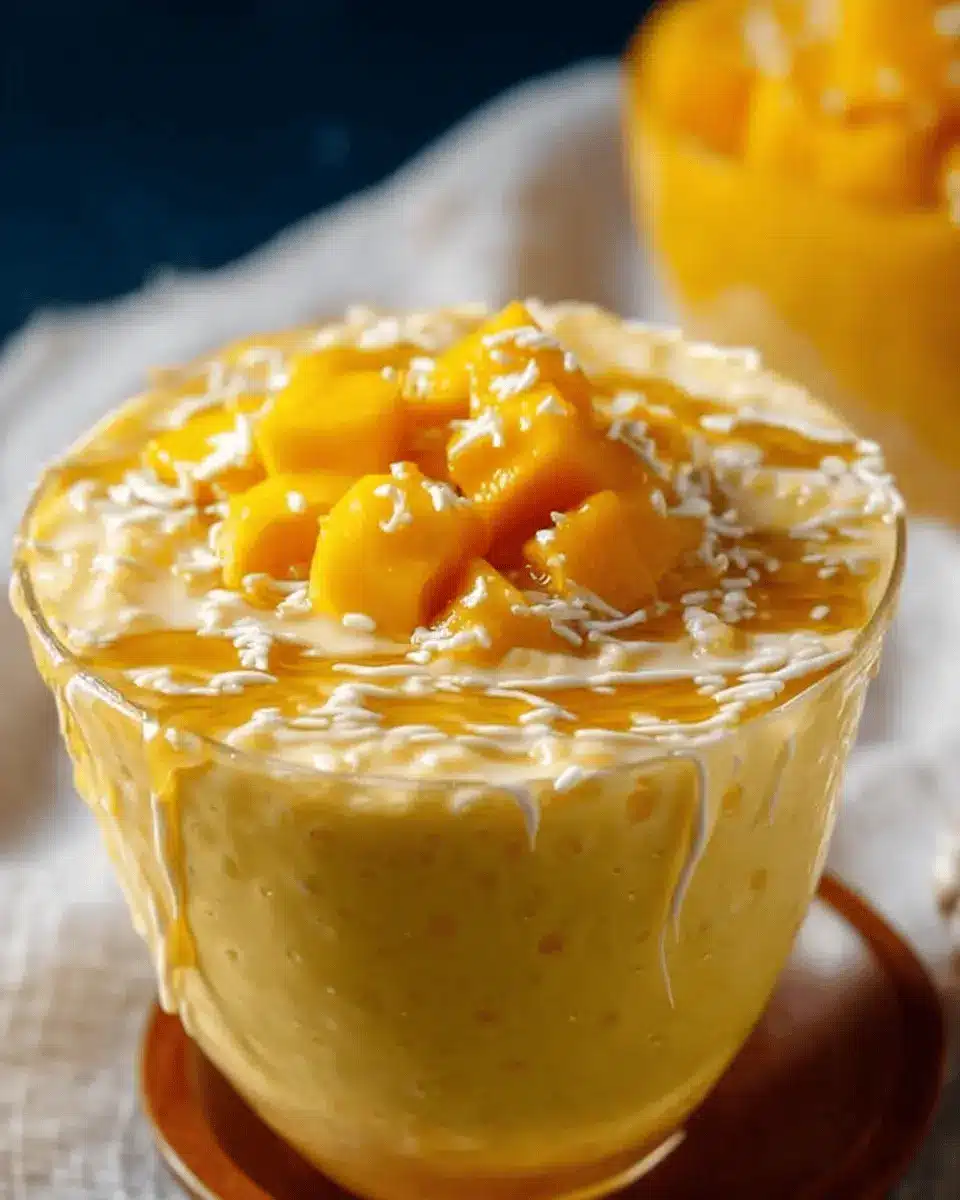
Variations on Mango Sago
Tropical Mango Sago with Added Fruits
Elevate your classic Mango Sago by incorporating a rainbow of tropical fruits! Consider adding diced pineapple, kiwi, or even a handful of pomegranate seeds for a delightful crunch. Not only do these fruits enhance the flavor, but they also bring a vibrant presentation that’s sure to impress. You can also sprinkle some toasted coconut flakes on top for a delightful texture. Are you feeling adventurous? Throw in some passion fruit for a hint of tanginess that pairs beautifully with the sweetness of mango!
Vegan Mango Sago Alternatives
If you're looking for a vegan twist on this beloved dessert, it's easier than you might think! Substitute the sweetened condensed milk with a rich and creamy coconut cream or a plant-based yogurt. With just a few adjustments, you can enjoy a delicious Mango Sago that aligns with your dietary choices. Opt for maple syrup or agave nectar to sweeten, and you're all set to enjoy a guilt-free indulgence that still delivers on that signature mango flavor. For even more ideas, check out resources like Loving It Vegan for a treasure trove of vegan dessert options.
Cooking tips for Mango Sago
Ensuring perfect tapioca texture
To achieve that ideal Mango Sago experience, proper tapioca cooking is essential. Always bring your water to a vigorous boil before adding the tapioca—this ensures even cooking. After boiling, soak the tapioca in cold water to halt cooking and eliminate any excess stickiness. If your pearls still have a white center after simmering, let them sit in the hot water for an additional 10 minutes.
Mango selection tips for the best flavor
Choosing the right mango is crucial for a delightful Mango Sago. Look for fully ripe mangoes, identified by their vibrant color and sweet aroma. Varieties like Alphonso or Honey mangoes offer perfect sweetness and juiciness. For the best results, buy your mangoes a few days ahead and allow them to ripen at room temperature. For more on mango varieties, check out this Mango Guide.
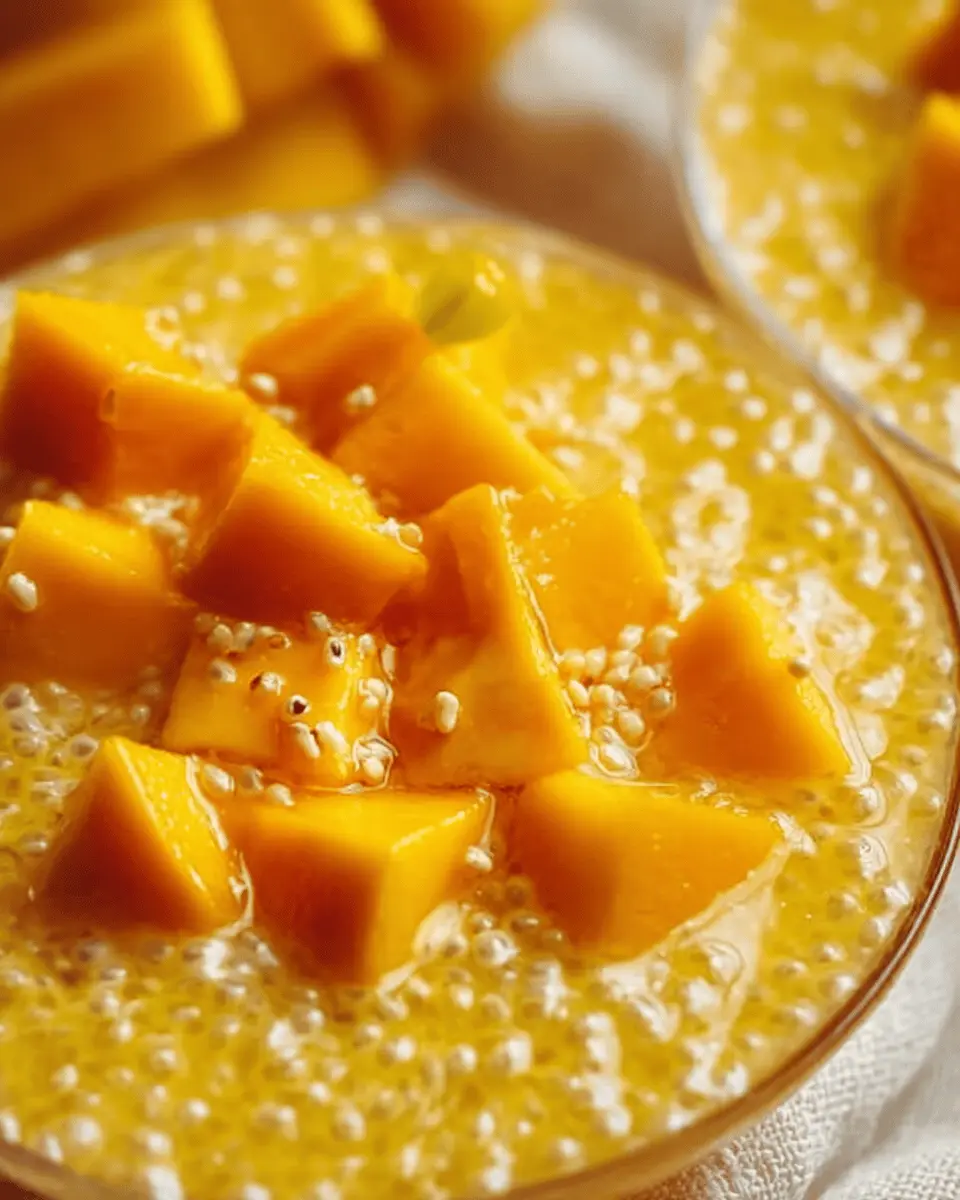
Serving suggestions for Mango Sago
Creative presentation ideas
Make your Mango Sago visually appealing by serving it in tall, clear glasses to showcase the vibrant colors. Layer the ingredients for an enticing effect or use mason jars for a rustic touch. For an extra pop, garnish with fresh mint leaves or edible flowers, adding a delightful contrast. You can also sprinkle some crushed ice on top for that refreshing, summer vibe.
Pairing Mango Sago with other dishes
Mango Sago complements a variety of dishes beautifully. Try serving it alongside light Asian entrees like grilled skewers or a fresh salad for a balanced meal. For dessert lovers, pair it with coconut macaroons or mango sticky rice to enhance the tropical theme. If you’re hosting a gathering, consider making it a part of a dessert platter with tropical fruits and colorful pastries.
For more ideas on how to pair this delicious treat, check out this guide on Asian dessert pairings.
Time details for Mango Sago
Preparation Time
Getting ready to whip up your Mango Sago is a breeze! With just 10 minutes, you'll have everything prepped and primed for deliciousness.
Cooking Time
The actual cooking doesn’t take long, either. Just 30 minutes is all you need to transform those simple ingredients into a lush, tropical treat.
Total Time
In only 40 minutes, you can indulge in homemade Mango Sago. It’s the perfect dessert for a warm summer evening or any time you crave something sweet and refreshing. For those who want to take it up a notch, let it chill in the fridge for an hour before serving—it makes a world of difference!
For more tips on preparing tropical desserts, check out this guide.
Nutritional Information for Mango Sago
Calories
Mango Sago is a delightful dessert, clocking in at approximately 326 calories per serving. This makes it a sweet yet satisfying treat to enjoy without overindulging.
Key Nutrients
This refreshing dessert is not only delicious but also packed with essential nutrients:
- Carbohydrates: 51g
- Protein: 4g
- Fat: 14g (with saturated fat at 12g)
- Potassium: 448mg
- Vitamin A: 1720 IU
- Vitamin C: 58mg
Emphasizing natural ingredients like mango and coconut milk, Mango Sago offers a taste of the tropics while providing beneficial nutrients. For a deeper dive into the health benefits of mango, you can check out this Healthline article.
Notably, its fiber content contributes to digestive health, making it a well-rounded dessert option. Enjoy this tropical delight knowing you’re treating yourself to more than just a sweet escape!
FAQs about Mango Sago
Can I use frozen mango?
Absolutely! Using frozen mango is a great option if you can’t find ripe fresh ones. In fact, it can make your dessert even simpler, as you can blend the frozen pieces directly into smoothies. Just remember to let them thaw slightly for better blending.
How long can Mango Sago be stored?
You can store Mango Sago in the refrigerator for up to 2-3 days. However, it’s best enjoyed fresh to savor the vibrant flavors and textures. The tapioca might become slightly chewier over time, so keep that in mind!
Can I adjust the sweetness of the dessert?
Definitely! You can tailor the sweetness to your taste by adjusting the amount of sweetened condensed milk you use. Feel free to start with the recommended 60 ml and add more as needed. Alternatively, you can also incorporate natural sweeteners like honey or agave syrup for a twist.
For more tips on using mango in various recipes, check out resources on mangoinfo.org!
Conclusion on Mango Sago
Mango Sago is not just a dessert; it's a tropical escape you can enjoy at home. With its creamy texture and refreshing mango flavor, it's perfect for summer gatherings or a cozy night in. The recipe is simple and customizable, offering an ideal balance of sweetness. Try it today!
Mango Sago
Equipment
- pot
- blender
- bowl
- Colander
Ingredients
- ½ cup small-sized uncooked tapioca about 60g
- 3 pieces ripe mangos about 1 kg
- 200 ml unsweetened coconut milk ½ of a 13.5 oz. can
- 60 ml sweetened condensed milk ¼ cup, or more to taste
- ½ teaspoon vanilla extract
Instructions
- In a pot, bring 4 cups of water to a boil. Add the mini pearl tapioca (don’t add it before the water is at a full boil!). Stir and bring it to boil again. Simmer for 20 minutes, or until the tapioca is completely transparent, which means they’re fully cooked. If after 20 minutes, the tapioca balls still have a white center, turn off the heat, cover, and let the tapioca sit in the hot water for another 10 minutes.
- When the tapioca is cooked through, drain, rinse in cold water to cool, then soak in a bowl of cold water and set aside.
- Meanwhile, peel the mango, trimming to remove the center pit. Set aside a large handful of nice chunks for topping. The rest will be blended.
- In a blender, add the coconut milk, condensed milk, vanilla extract, and mango. Blend until smooth, and transfer to a large bowl. At this stage, if you like your dessert cold, chill the mango mixture for at least an hour before adding the tapioca.
- When you’re ready to serve, drain the cooked tapioca, and add to the mango mixture. Scoop into individual bowls and top with mango chunks.




Leave a Reply