
Introduction to Spaghetti Aglio e Olio
The Magic of Simplicity in Homemade Meals
Nothing beats a comforting plate of spaghetti aglio e olio when you crave a quick yet satisfying meal. This classic Italian dish showcases how a few humble ingredients can create culinary magic. With just pasta, garlic, olive oil, and a touch of heat from red pepper flakes, you have a symphony of flavors that can whisk you away to a quaint trattoria in Italy.
The beauty of making spaghetti aglio e olio at home lies in its simplicity. You don’t need a long list of ingredients or complicated techniques; instead, focus on perfecting each step, especially toasting the garlic. The transformation of the garlic from raw to golden brown elevates the dish, making each bite a delightful experience.
In an age where life can feel rushed, this recipe reminds us that cooking can be an enjoyable ritual. Plus, it's a fantastic way to impress friends or a date with minimal effort. Did you know that the Mediterranean diet, which includes dishes like this, has been linked to improved heart health? So why not indulge in a bowl of spaghetti aglio e olio tonight? Discover more about the benefits of olive oil and garlic here.
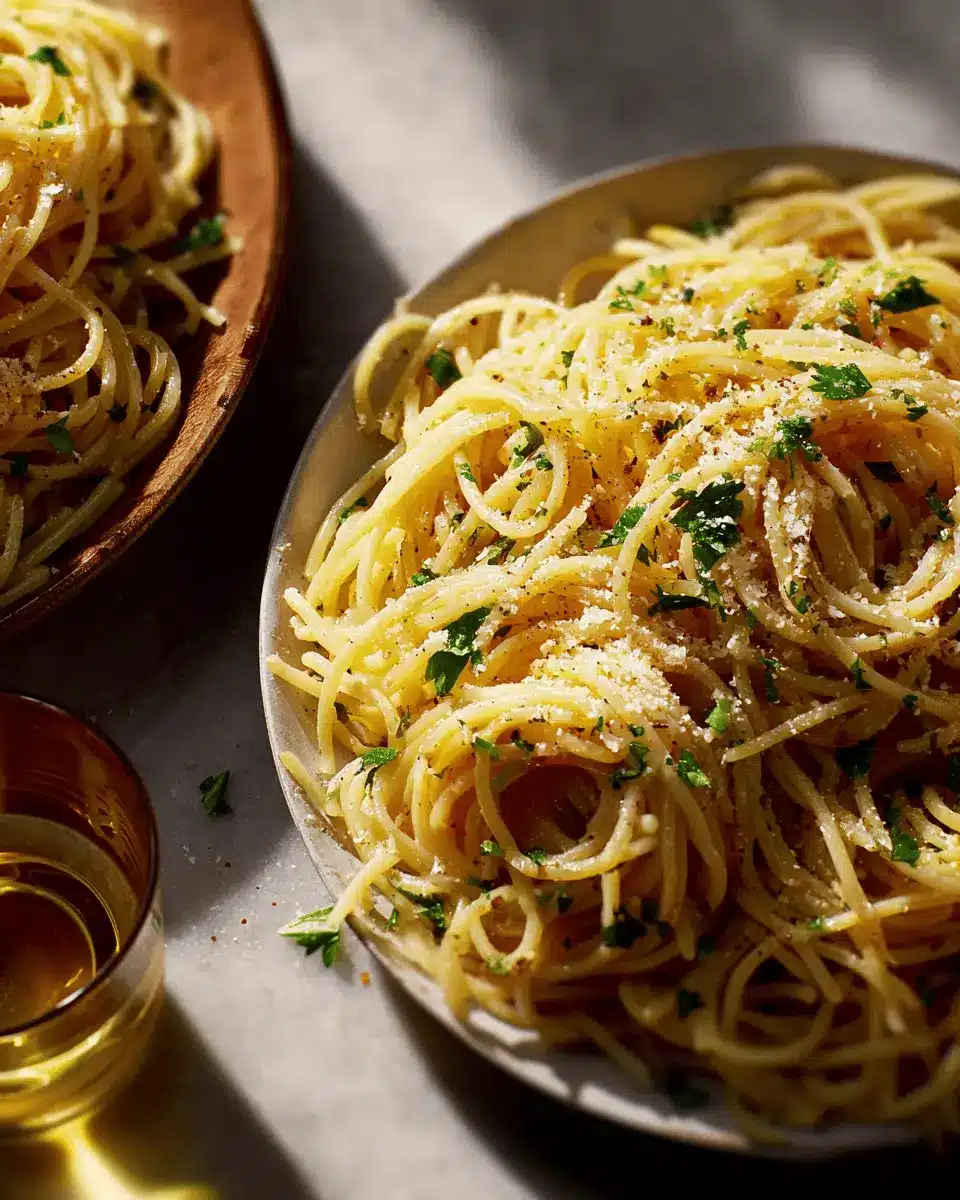
Ingredients for Spaghetti Aglio e Olio
Essential ingredients for the perfect dish
When it comes to crafting a delightful plate of spaghetti aglio e olio, simplicity is key. This classic Italian dish shines with just a few quality ingredients. Here’s what you’ll need:
- Spaghetti: 1 pound of uncooked spaghetti is the ideal choice. It’s the canvas for this dish, so pick a good brand!
- Olive Oil: A generous ½ cup of extra-virgin olive oil will serve as the base, infusing your pasta with rich flavor.
- Garlic: 6 cloves, thinly sliced, are essential. The slow toast will transform their pungency into a sweet, nutty essence.
- Red Pepper Flakes: Use ¼ teaspoon (or more, if you like heat) to add that kick.
- Seasonings: Salt and freshly ground black pepper to taste will elevate the dish perfectly.
- Parsley: ¼ cup of chopped fresh Italian parsley brightens it all.
- Cheese: Finally, sprinkle in 1 cup of finely grated Parmigiano-Reggiano for that final touch of savory goodness.
With these ingredients in hand, you're ready to create a spaghetti aglio e olio that's not just a meal, but a conversation starter! For more tips, check out this resource on the art of cooking pasta.
Step-by-step preparation of Spaghetti Aglio e Olio
Cooking spaghetti aglio e olio at home is not just about making a meal; it's about creating an experience that brings warmth and comfort to your dining table. With just a few quality ingredients, you can whip up this classic Italian dish that’s both simple and sensational. Let’s walk through the process together!
Gather all ingredients
Before diving into the cooking, you should gather everything you need. Having your ingredients ready simplifies the process and enhances your cooking flow. Here’s what you’ll need:
- 1 pound uncooked spaghetti
- ½ cup olive oil
- 6 cloves garlic, thinly sliced
- ¼ teaspoon red pepper flakes (or more if you like it spicy)
- Salt and freshly ground black pepper to taste
- ¼ cup chopped fresh Italian parsley
- 1 cup finely grated Parmigiano-Reggiano cheese
Make sure to source high-quality olive oil and fresh garlic for the best flavor. You can find more tips on choosing olive oil here.
Cook the spaghetti to al dente perfection
Bring a large pot of lightly salted water to a boil. Once it’s bubbling away, add your spaghetti. Stir occasionally, and cook until it’s tender but still has a firm bite—usually around 10 to 12 minutes. This is the "al dente" stage, and it’s crucial for the texture of your spaghetti aglio e olio. Once done, drain the pasta, but save a cup of that pasta water; it can come in handy later.
Slowly toast the garlic for maximum flavor
While your pasta is cooking, it’s time to infuse that incredible flavor into your olive oil. Combine the olive oil and sliced garlic in a cold skillet. This ensures the garlic cooks slowly, allowing the flavors to develop without burning. Heat over medium and watch as the oil gently warms up. When it starts to bubble (about 10 minutes), reduce the heat to medium-low. Keep stirring until the garlic turns golden brown, which should take another 5 minutes. This step is essential; burnt garlic can ruin your whole dish!
Mix in red pepper flakes, salt, and pepper
Once the garlic is perfectly toasted, add the red pepper flakes, salt, and black pepper to the pasta in the bowl. This addition will elevate the flavors and add some heat. Stir everything together, ensuring the seasoning is evenly distributed.
Combine pasta with garlic-infused oil
Now for the magic! Pour in that luscious garlic-infused olive oil. This is where your spaghetti aglio e olio starts to come alive. Toss everything together until the pasta is thoroughly coated. If the mixture seems too dry, add a splash of the reserved pasta water to get that silky feel.
Add parsley and Parmigiano-Reggiano cheese
To finish, sprinkle in the fresh parsley and half of the grated Parmigiano-Reggiano cheese. Toss everything one last time, making sure the flavors meld. Serve immediately, topped with the remaining cheese.
And there you have it! A beautifully simple spaghetti aglio e olio that’s sure to impress. Enjoy the fruits of your labor with a nice green salad or some crusty bread on the side. Buon appetito!
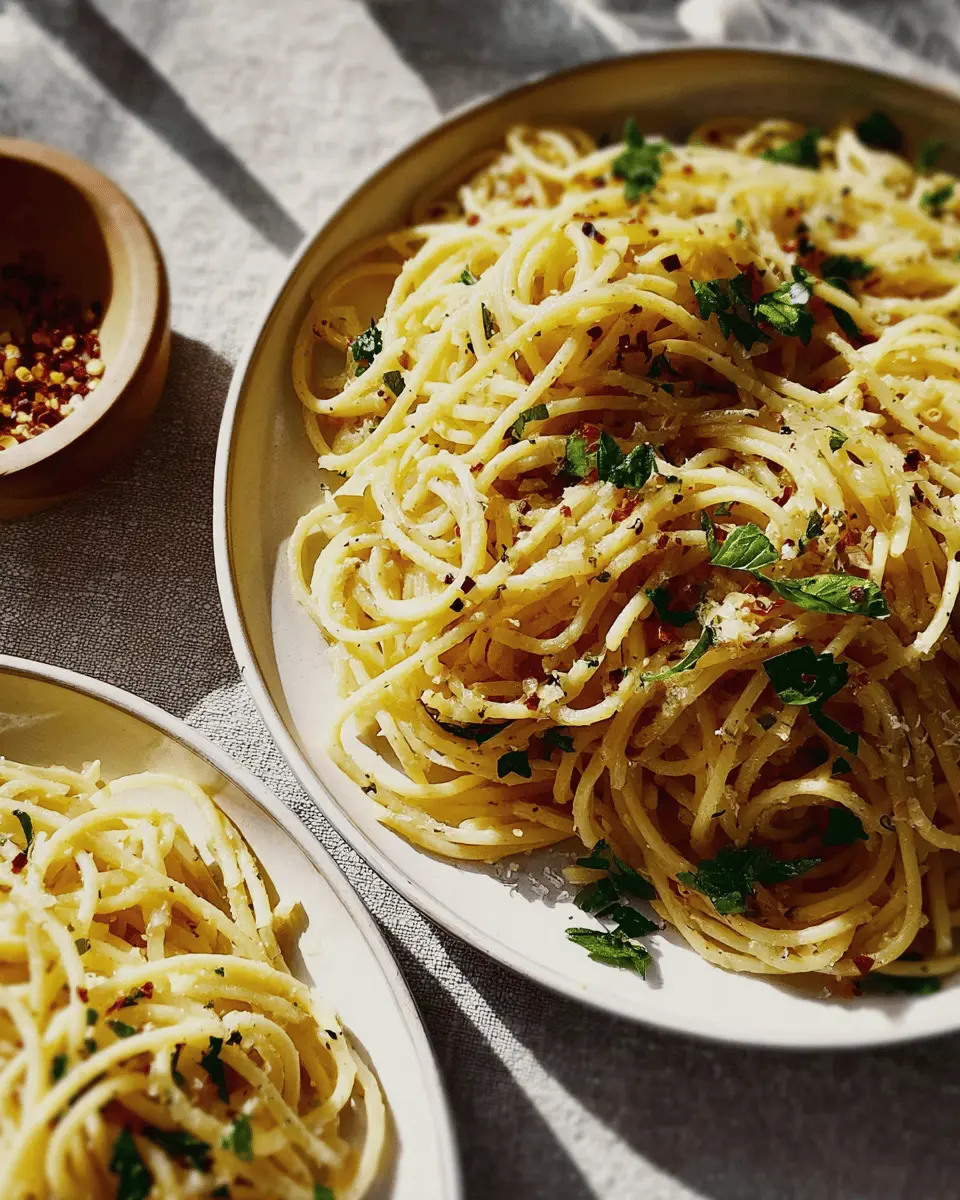
Variations on Spaghetti Aglio e Olio
Adding Protein: Chicken Ham or Turkey Bacon Options
If you're looking to amp up the heartiness of your spaghetti aglio e olio, consider adding chicken ham or turkey bacon. Both options bring a savory depth to the dish without overwhelming the classic flavors. Simply sauté your choice of protein in the olive oil before adding the garlic, allowing those tasty bits to infuse the oil, transforming each bite into a delightful experience.
Going Green: Spinach or Broccoli Variations
For a nutritious twist, toss in some spinach or broccoli. These greens not only add color but also incorporate essential vitamins into your meal. Add the greens in the last couple of minutes of cooking pasta, letting them wilt perfectly while absorbing the garlicky goodness. It’s an easy way to make your spaghetti aglio e olio even more satisfying and vibrant!
For additional variations, check out recipes on Epicurious for inspiration!
Cooking Tips and Notes for Spaghetti Aglio e Olio
The Importance of Garlic Toasting
Toasting the garlic slices is crucial for achieving that savory, rich flavor in spaghetti aglio e olio. Start with a cold skillet and allow the garlic to gradually brown over medium heat. If the garlic turns too dark, it can become bitter—so keep an eye on it! Aim for a golden hue; this will infuse your oil with a delightful nutty essence.
For a deeper dive into garlic's health benefits, consider checking out Healthline.
Adjusting Red Pepper Flakes for Spice Lovers
If you enjoy a kick, feel free to adjust the amount of red pepper flakes. Start with the recommended ¼ teaspoon, but for spice enthusiasts, you can easily double this amount. Always remember to taste as you go—you can always add more, but it's hard to tone down the heat once it's in!
Enjoy your cooking, and don’t hesitate to experiment; that’s part of the fun of making your own delicious spaghetti aglio e olio!
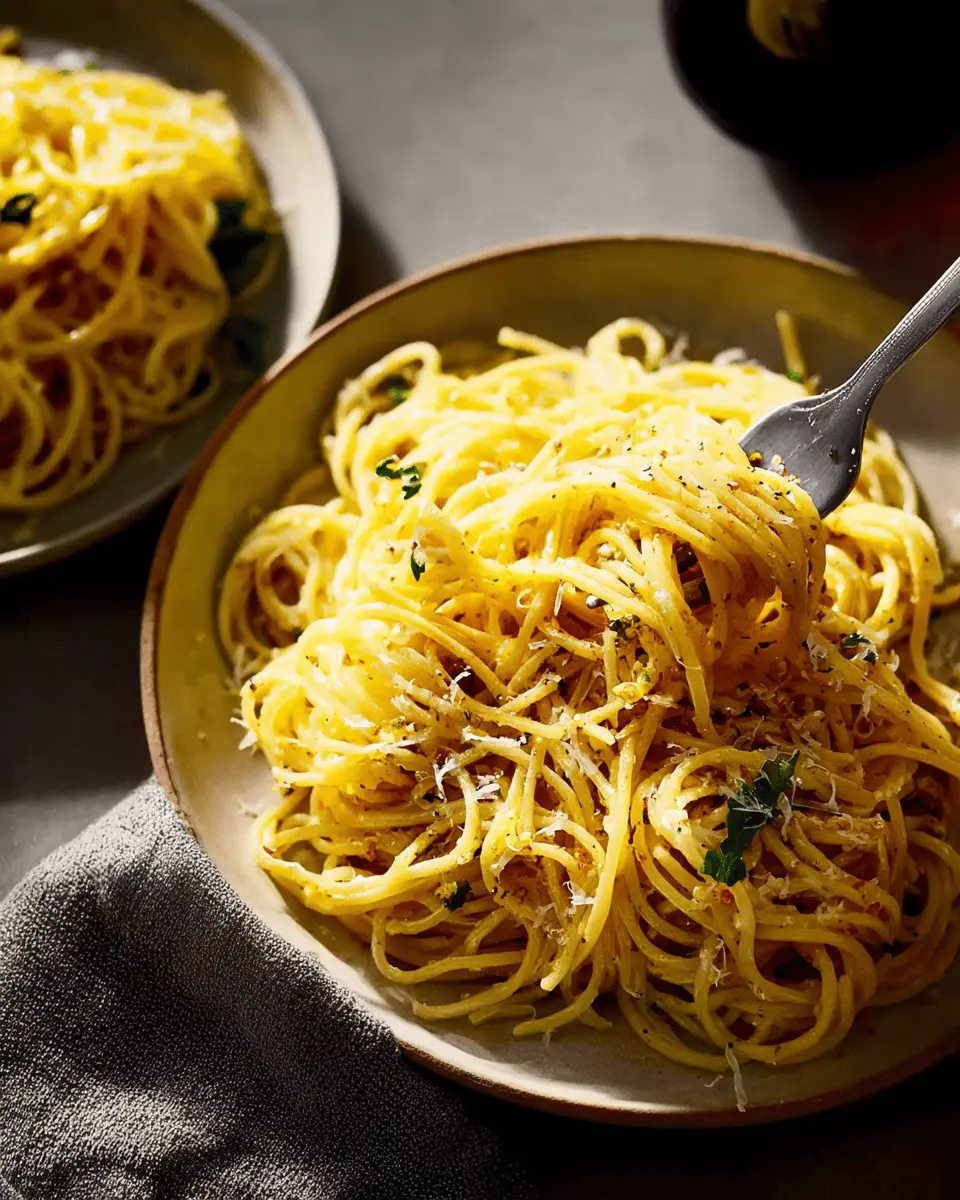
Serving Suggestions for Spaghetti Aglio e Olio
Pairing with a Fresh Salad
To elevate your spaghetti aglio e olio, consider serving it alongside a crisp, fresh salad. A simple arugula and cherry tomato salad dressed with olive oil and a splash of lemon juice adds a burst of freshness that beautifully contrasts the garlicky pasta. You might also enjoy a classic Caesar salad for a twist; just keep it light to not overshadow the main dish. It’s all about balancing flavors—what’s your favorite salad to pair?
Complementary Side Dishes and Bread Options
Think about pairing your spaghetti aglio e olio with a side of garlic bread or bruschetta topped with fresh tomatoes and basil. These not only complement the dish but also provide delightful textures. For a heartier option, consider a serving of roasted vegetables or a warm caprese salad with mozzarella and basil. Plus, don't forget a slice of crunchy focaccia to soak up any leftover olive oil and garlic goodness! For more bread ideas, check out this bread guide.
Time Breakdown for Spaghetti Aglio e Olio
Preparation Time
Getting your ingredients and tools ready takes about 10 minutes. This quick prep helps set you up for success with your spaghetti aglio e olio.
Cooking Time
The actual cooking process, from sautéing the garlic to boiling the pasta, will take around 15 minutes.
Total Time
In just 25 minutes, you’ll have a delicious plate of spaghetti aglio e olio ready to serve. Who knew a classic dish could be this quick?
Nutritional Facts for Spaghetti Aglio e Olio
When savoring spaghetti aglio e olio, it’s good to know what you’re enjoying, right? Here's a quick look at the nutritional facts to keep in mind while indulging in this classic dish:
Calories
A serving of spaghetti aglio e olio contains approximately 755 calories. This makes it a satisfying meal, great for fueling your day.
Protein
With about 23 grams of protein, this dish delivers a decent protein punch, especially coming from the cheese and pasta.
Sodium
Packed with flavor, spaghetti aglio e olio offers about 355 mg of sodium per serving. While it's not overly salty, you might want to adjust according to your dietary needs.
By keeping these nutritional insights in mind, you can balance enjoyment with health as you dive into this Italian classic! For more nutritional tips or variations, check out resources like the USDA FoodData Central for deeper insight into your favorite ingredients.
FAQs about Spaghetti Aglio e Olio
Can I make it vegan or vegetarian?
Absolutely! Spaghetti Aglio e Olio is already a vegetarian dish. To make it vegan, simply omit the Parmigiano-Reggiano cheese, or use a plant-based cheese alternative. You’ll still enjoy a rich flavor profile from the garlic and olive oil. Feeling adventurous? Add sautéed mushrooms or spinach for extra texture and nutrients.
What is the best type of olive oil to use?
When it comes to olive oil, choosing an extra virgin quality will elevate your spaghetti aglio e olio. This type is derived from the first press of olives and retains the most flavorful properties. Not only will it enhance the dish’s taste, but its health benefits are well-documented, making it a smart choice for your kitchen.
How can I store leftovers safely?
Leftover spaghetti aglio e olio can be stored in an airtight container in the refrigerator for up to 3 days. Just reheat it gently in a skillet over low heat, adding a splash of olive oil to restore moisture. Consider checking out FoodSafety.gov for more guidelines on safe food storage practices.
With these tips, you'll be a spaghetti aglio e olio pro in no time!
Conclusion on Spaghetti Aglio e Olio
In wrapping up this delicious journey into spaghetti aglio e olio, remember that simplicity is key. With just a handful of quality ingredients, you can create a delightful dish bursting with flavor. Perfect your garlic to unlock its full potential, and enjoy this classic Italian favorite any night of the week!
Spaghetti Aglio e Olio
Equipment
- Large pot
- Skillet
- Colander
- Pasta bowl
Ingredients
- 1 pound uncooked spaghetti
- ½ cup olive oil
- 6 cloves garlic thinly sliced
- ¼ teaspoon red pepper flakes or to taste
- salt to taste
- freshly ground black pepper to taste
- ¼ cup chopped fresh Italian parsley
- 1 cup finely grated Parmigiano-Reggiano cheese
Instructions
- Gather all ingredients.
- Bring a large pot of lightly salted water to a boil. Cook spaghetti in the boiling water, stirring occasionally until cooked through but firm to the bite, about 10 to 12 minutes. Drain and transfer to a pasta bowl.
- While the pasta is cooking, combine olive oil and garlic in a cold skillet.
- Cook over medium heat to slowly toast garlic, about 10 minutes. Reduce heat to medium-low when olive oil begins to bubble. Cook and stir until garlic is golden brown, about another 5 minutes. Remove from heat.
- Stir red pepper flakes, salt, and black pepper into pasta.
- Pour in hot olive oil and garlic, and sprinkle on Italian parsley and half of the Parmigiano-Reggiano cheese; toss until combined.
- Serve pasta topped with the remaining Parmigiano-Reggiano cheese.

Leave a Reply