
Introduction to Amish White Bread
If you're a homemade bread enthusiast, you may want to put Amish White Bread at the top of your baking list. This bread is not just about flavor; it encapsulates a rich tradition that dates back to the Amish communities, known for their simplicity and home-cooked goodness. With its soft texture and subtle sweetness, it's a perfect canvas for countless toppings—from classic butter to your favorite chicken ham or even turkey bacon sandwiches.
The allure of Amish White Bread lies in its simplicity. The ingredients are common pantry staples, such as flour, sugar, and yeast, yet the result is anything but basic. The bread’s golden crust and fluffy interior make it stand out, perfect for family gatherings or cozy evenings.
Did you know that baking bread at home can be incredibly satisfying? Not only does it involve a therapeutic rhythm of mixing, kneading, and waiting, but you’re also rewarded with the enticing aroma wafting through your kitchen. According to the Whole Grains Council, baking your own bread ensures you know exactly what goes into it, allowing for healthier choices tailored to your preferences.
So roll up your sleeves, grab your apron, and let's dive into making this delightful Amish White Bread!
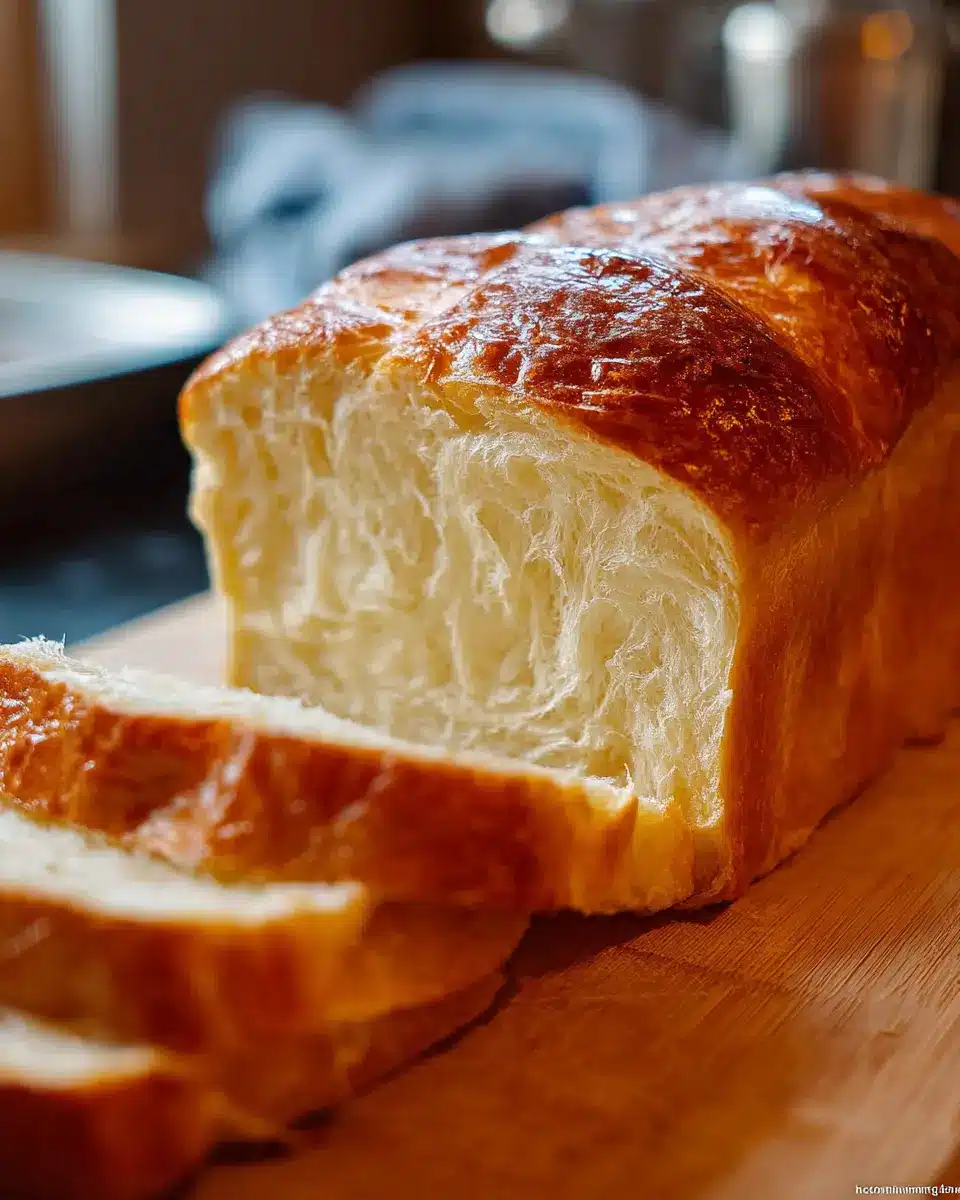
Ingredients for Amish White Bread
When you're ready to bake Amish White Bread, gather these simple ingredients to create comforting loaves that will fill your home with a delightful aroma. Each ingredient has a specific role that contributes to the bread's soft texture and rich flavor.
- ⅔ cup white sugar: This sweetener not only adds flavor but also helps activate the yeast, giving the bread a wonderful rise.
- 2 cups warm water (110°F/45°C): The perfect temperature for activating yeast, ensuring your dough rises beautifully.
- 1 ½ teaspoons salt: A crucial ingredient that enhances the flavor of the bread and helps control yeast activity.
- 6 cups bread flour: Ideal for creating a strong structure, this flour helps achieve that perfect chewy texture that makes homemade bread irresistible.
- ¼ cup vegetable oil: This adds moisture and softness to your bread, resulting in a lovely tender crumb.
- 1 ½ tablespoons active dry yeast: The star of the show, yeast not only makes your bread rise but also adds depth to its flavor.
By having these ingredients ready, you’re well on your way to crafting delicious Amish White Bread. Happy baking! For more tips on using yeast in bread-making, check out this yeast guide from King Arthur Baking.
Step-by-Step Preparation of Amish White Bread
Making Amish White Bread is a delightful adventure that fills your kitchen with warmth and a mouthwatering aroma. Let’s go through the process step-by-step, ensuring you craft a perfect loaf every time.
Activating the yeast
To start, you want to bring your yeast to life. In a mixing bowl, dissolve ⅔ cup of white sugar in 2 cups of warm water (aim for around 110°F or 45°C to ensure the yeast is happy). Once the sugar is dissolved, sprinkle 1 ½ tablespoons of active dry yeast on top. This is where the magic begins—let it sit for about 5-10 minutes until it becomes frothy. If it doesn’t foam, your yeast may be inactive, so it’s a good time to switch it out for fresh yeast.
Mixing the wet and dry ingredients
Next, add 1 ½ teaspoons of salt and ¼ cup of vegetable oil to the yeast mixture. Stir it gently to combine. This is where the ingredients start to come together. Gradually mix in 6 cups of bread flour, one cup at a time, ensuring each addition is well incorporated. As you do this, you’ll notice that the dough begins to take shape.
Kneading the dough
Once you've added the flour, turn the dough out onto a lightly floured surface. Knead it for about 8-10 minutes until it becomes smooth and elastic. This step is crucial for developing the gluten, which gives your bread its lovely texture. If the dough is too sticky, don’t hesitate to sprinkle in a little more flour.
The first rise
Place your kneaded dough in a greased bowl, turning it once to coat. Cover it with a damp cloth or plastic wrap to keep it moist, and let it rise in a warm, draft-free place for about an hour or until it doubles in size. This is a great time to clean up your workspace and prepare for the next steps.
Shaping the loaves
After your dough has risen beautifully, gently punch it down to release any accumulated air. Divide it into two equal parts, shaping each into a loaf. Place the loaves into greased loaf pans, ensuring they fit snugly. This step not only makes them look nice but also enhances their rise.
The second rise
Cover the shaped loaves with a damp cloth again and let them rise for an additional 30 minutes. This second rise is essential for achieving that delightful softness in your Amish White Bread.
Baking the bread
Finally, preheat your oven to 350°F (175°C). Once your loaves have risen sufficiently, bake them for about 30 minutes or until they are golden brown. The delightful aroma will fill your kitchen, and the loaves should sound hollow when tapped on the bottom.
Now you’re ready to slice your bread and enjoy it! Whether with butter, jelly, or your favorite spreads, there’s nothing quite like homemade Amish White Bread. Happy baking!
For more tips and variations on bread-making, check out King Arthur Baking or The Bread Bakers Guild of America.
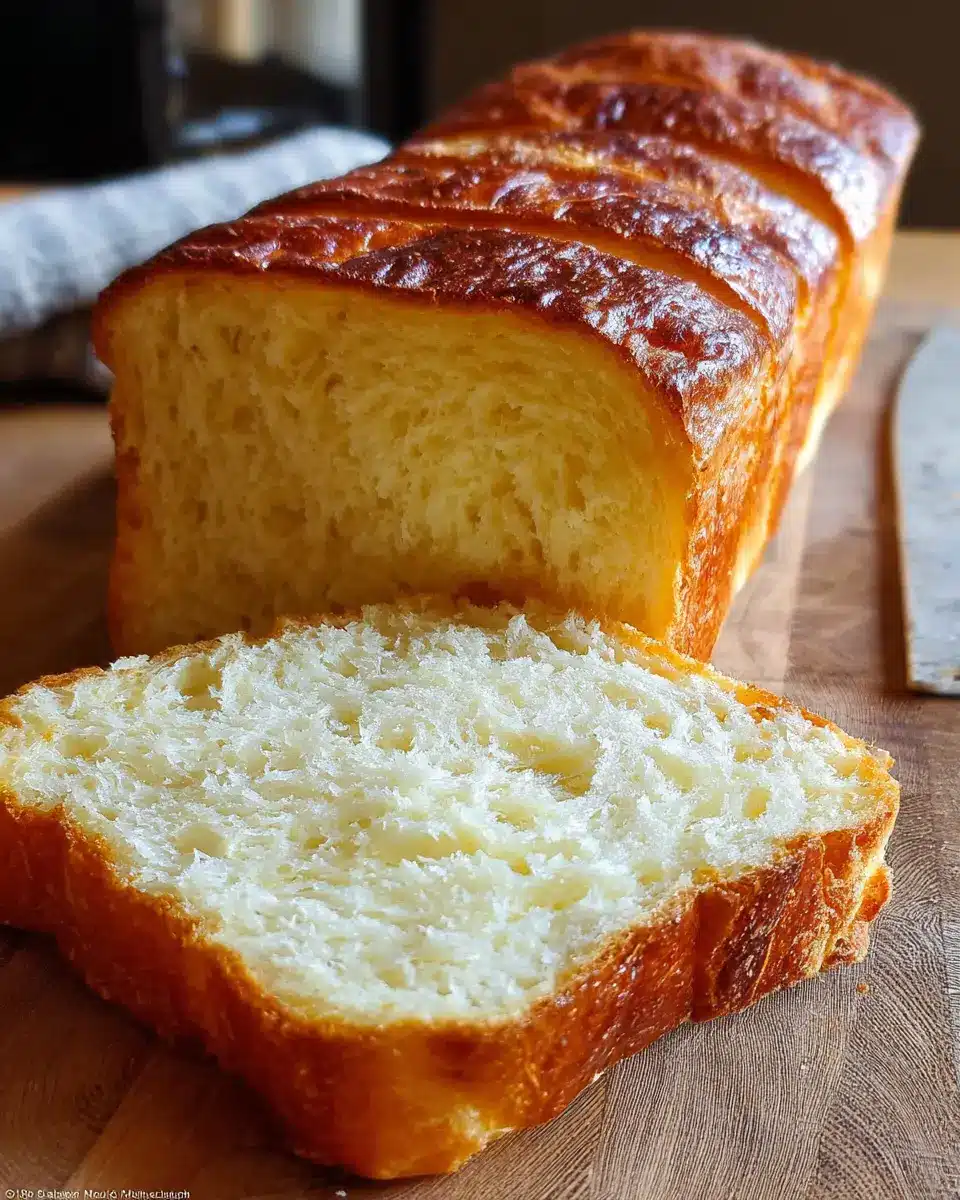
Variations on Amish White Bread
Adding herbs for flavor
Elevate your Amish White Bread by incorporating fresh or dried herbs into the dough. Think herbs like rosemary, thyme, or basil for a savory twist that pairs beautifully with soups and salads. Simply mix 1-2 tablespoons of your chosen herbs into the flour when combining the ingredients. This not only adds flavor but also creates a delightful aroma while baking!
Incorporating whole grains
For a hearty, nutritious alternative, consider blending whole grain flour with the bread flour in your Amish White Bread recipe. Using a 50/50 mix can provide more fiber and nutrients without sacrificing that soft texture you love. Also, explore adding grains like oats or flaxseed for added health benefits. Not only will you enrich your bread, but you’ll also impress your friends with a wholesome twist on a classic favorite!
These variations not only enhance the flavor and health benefits of your bread but also make it uniquely yours. Happy baking! For tips on enhancing your baking skills, check out this Comprehensive Baking Guide.
Baking Tips and Notes for Amish White Bread
Baking Amish White Bread is a delightful experience that yields a soft, fluffy loaf perfect for sandwiches or toast. Here are some handy tips to ensure your bread turns out beautifully every time:
-
Temperature Matters: Use a kitchen thermometer to ensure your water is at the right temperature (110°F/45°C) for yeast activation. Too hot, and you'll kill the yeast; too cool, and it won’t activate.
-
Measure Your Flour: For the best results, spoon flour into your measuring cup and level it off. This prevents adding too much flour, which can lead to dense bread.
-
Kneading Technique: Don’t rush the kneading process. Aim for about 8-10 minutes until the dough is smooth and elastic, which helps develop gluten for that perfect texture.
For more insights on bread-making, check out King Arthur Baking for useful resources!
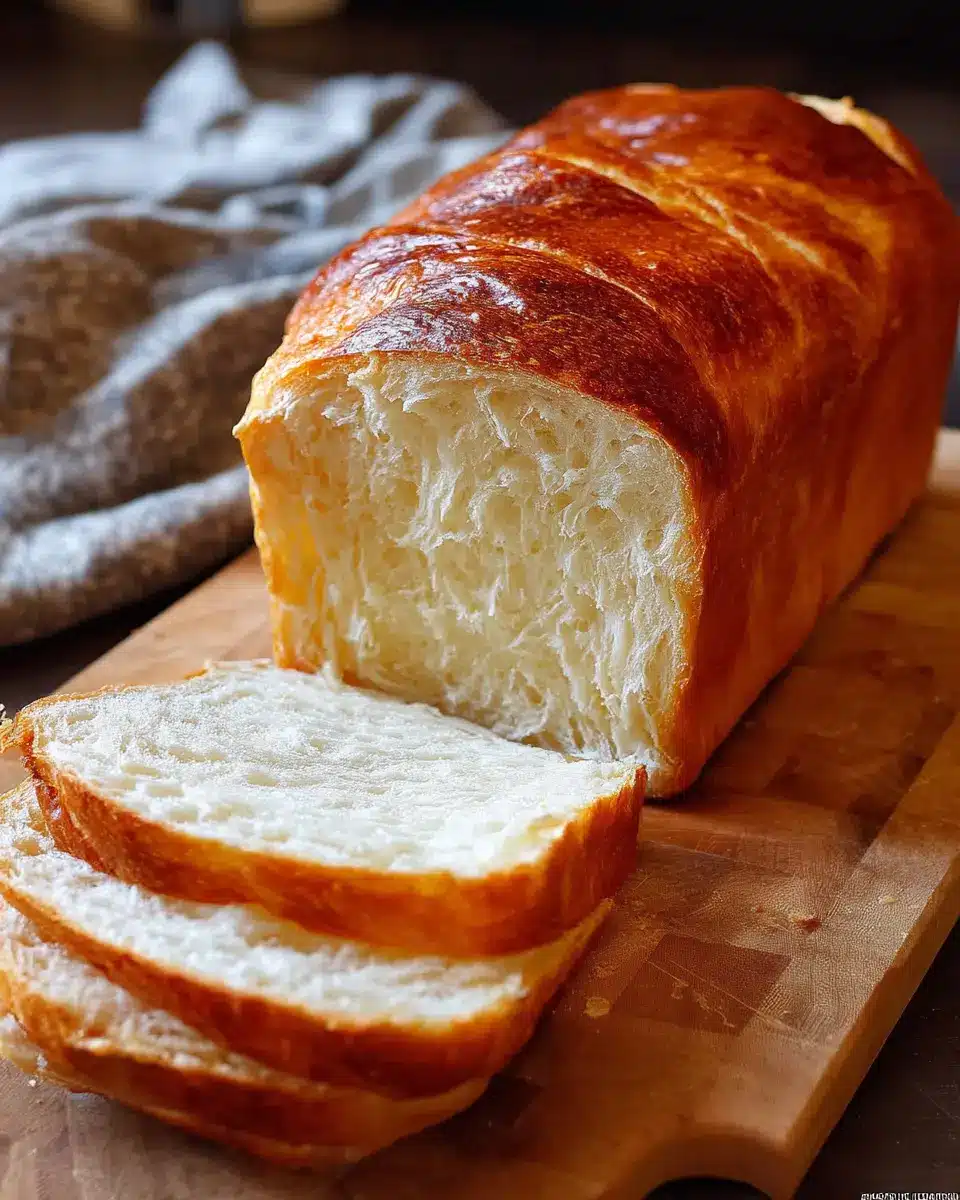
Serving Suggestions for Amish White Bread
Amish White Bread is not just a delightful standalone treat; it opens the door to endless serving possibilities! Try it toasted with a sprinkle of cinnamon and sugar for a sweet breakfast boost.
For lunch, slather it with creamy peanut butter and fresh banana slices, or prepare a classic sandwich with turkey bacon and fresh veggies. If you’re feeling adventurous, create a mouthwatering bruschetta topped with diced tomatoes, basil, and a drizzle of balsamic glaze.
And for a cozy dinner, use it to soak up savory soups or stews. Pair it with a homemade smoothie for a wholesome feel-good meal! Each slice is a blank canvas—what will you create?
Time Breakdown for Amish White Bread
Preparation Time
Get ready to roll up your sleeves! The prep for Amish White Bread takes about 20 minutes. You’ll be activating yeast, mixing ingredients, and setting the stage for that delightful dough.
Baking Time
Once you've shaped your loaves, they go into the oven for about 30 minutes at 350°F (175°C). This is when your kitchen will fill with the warm, inviting aroma of fresh bread. Trust us, it's worth the wait!
Total Time
In total, you're looking at approximately 1 hour and 50 minutes, including the rising time. So, carve out a cozy afternoon to bake something truly memorable that your friends and family will love! If you’re a fan of homemade treats, try pairing your Amish White Bread with a delicious homemade soup or a fresh salad for the perfect meal.
For more tips on baking bread, consider checking out resources like King Arthur Baking for expert advice and recipes. Happy baking!
Nutritional Facts for Amish White Bread
Serving size
When you're enjoying your delicious Amish White Bread, keep in mind that a typical serving size is just one slice, weighing approximately 28 grams. It's astonishing how much flavor and nostalgia can fit into a single slice!
Calories per slice
Each delightful slice packs only 80 calories, making it a versatile choice for sandwiches or as a side with meals. With its lower calorie count, Amish White Bread allows you to indulge without the guilt, providing a wholesome option that's perfect for modern lifestyles. Want to learn more about maintaining a balanced diet? Check out the American Heart Association for expert advice on incorporating delicious breads into your meals without compromising health.
So, whether you're making a classic peanut butter and turkey bacon sandwich or simply enjoying it toasted with a pat of butter, you can savor each slice, knowing it pairs well with conscious eating.
FAQs about Amish White Bread
Can I use bread flour substitutes?
Absolutely! While Amish White Bread traditionally calls for bread flour for that perfect texture, you can use all-purpose flour as a substitute. Keep in mind, all-purpose flour may create a slightly denser loaf, so add a bit more water to counterbalance its lower protein content. If you're feeling adventurous, you might even try whole wheat flour for a healthier spin.
How do I store Amish White Bread properly?
To keep your Amish White Bread fresh, you can wrap it in plastic wrap or aluminum foil and store it at room temperature for up to three days. For longer storage, slice the bread and place it in a freezer-safe bag. Thaw slices as needed, and toast them for a delightful breakfast treat!
What are some common mistakes in bread baking?
Many home bakers struggle with bread baking. Here are a few pitfalls to avoid:
- Incorrect yeast activation: Ensure your water is warm enough (but not hot) to activate the yeast.
- Over-kneading: Kneading too long can lead to a tough texture. Aim for just enough to make the dough smooth.
- Skipping rise time: Don’t be tempted to skip the rising time; it’s crucial for a fluffy loaf.
For more tips on baking, check out this resource from King Arthur Baking. Happy baking!
Conclusion on Amish White Bread
In conclusion, Amish White Bread is a delightful addition to your baking repertoire. Its soft texture and subtle sweetness make it perfect for sandwiches or as a side with meals. Give this comforting recipe a try—you might just find yourself baking it every week! For more bread ideas, check out resources like the Bread Bakers' Guild.

Amish White Bread
Equipment
- loaf pans
- Mixing bowl
- Damp cloth
- oven
Ingredients
- ⅔ cup white sugar
- 2 cups warm water (110°F/45°C)
- 1 ½ teaspoons salt
- 6 cups bread flour
- ¼ cup vegetable oil
- 1 ½ tablespoons active dry yeast
Instructions
- Activate the yeast by dissolving sugar in warm water, then stirring in yeast. Let it foam for 5-10 minutes.
- Combine salt and oil into the yeast mixture. Gradually add flour, mixing well after each addition.
- Knead dough on a floured surface until smooth. Place in an oiled bowl, cover with a damp cloth, and let rise for about 1 hour.
- Punch down the risen dough, divide into two parts, shape into loaves, and place in oiled loaf pans for another 30-minute rise.
- Bake at 350°F (175°C) for about 30 minutes or until golden brown.




Leave a Reply